
 We are back in the early 90s, when the mullets were epic and the covers were sumptuous. Come on back to July 1992 with us as we explore the ads & features of the 100th issue of Romantic Times Magazine!
This issue contains some FASCINATING retrospective looks at romance, cover art, and more, and I think it is one of the primary sources cited for some of the more common stories I’ve heard about romance.
Were you a Borders, B. Dalton, or Waldenbooks reader, or another bookshop entirely?
Don’t forget – you can watch this episode on YouTube with the visuals on screen, or look for the visual aids below!
❤ Read the transcript ❤
↓ Press Play
This podcast player may not work on Chrome and a different browser is suggested. More ways to listen →
Here are the books we discuss in this podcast:


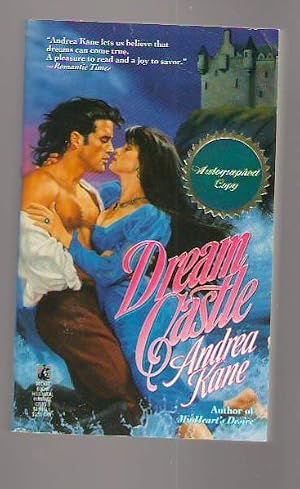
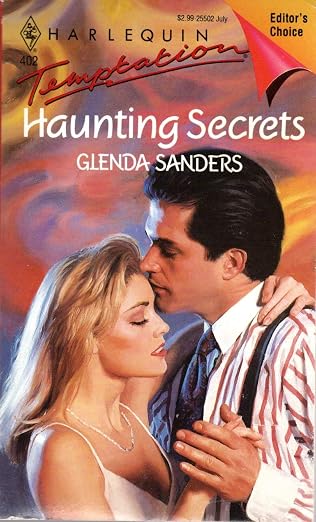
Make sure to disable your ad blocker to see all the books.
We also mentioned:
- The sandals from Keen I mentioned in the outro.
- Lucynka’s posts on SBTB about pulp romance
- Marysville Public Library: Nora Roberts Go Fish (Facebook video)
- Lake Villa District Library: Nora Roberts Challenge (Tiktok video)
And of course…visual aids!
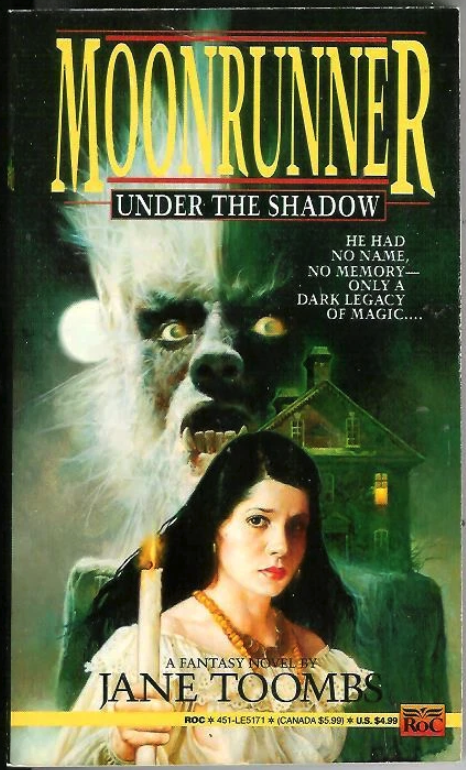
So this is my sleep paralysis demon. His name is Hank. Allegedly this is a werewolf of some kind and YIKES.
This is the book with the couple who dance to an old Victrola and find themselves with a bit of a haunting. We think he looks like a carnival barker or a ventriloquist’s dummy.
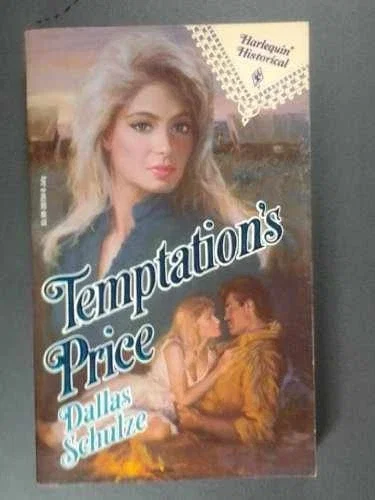
Long before Instagram Filters were a thing, she has Instagram Filter face.
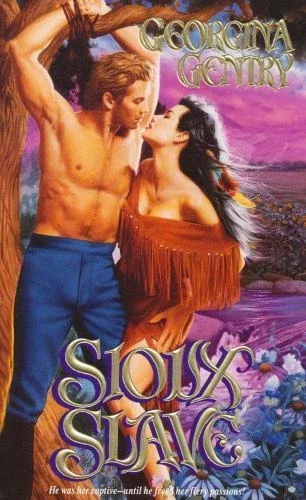
YIKES on the title, but she did tie him to a tree. We’re impressed. Also that man has the longest torso we have ever seen. There’s like nine miles between his waist and That Bulge.
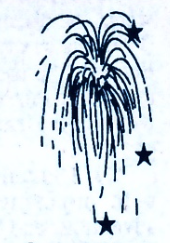
This is the flaccid fireworks clip art that Amanda spotted. Once we discussed what she thought they looked like, I made this:
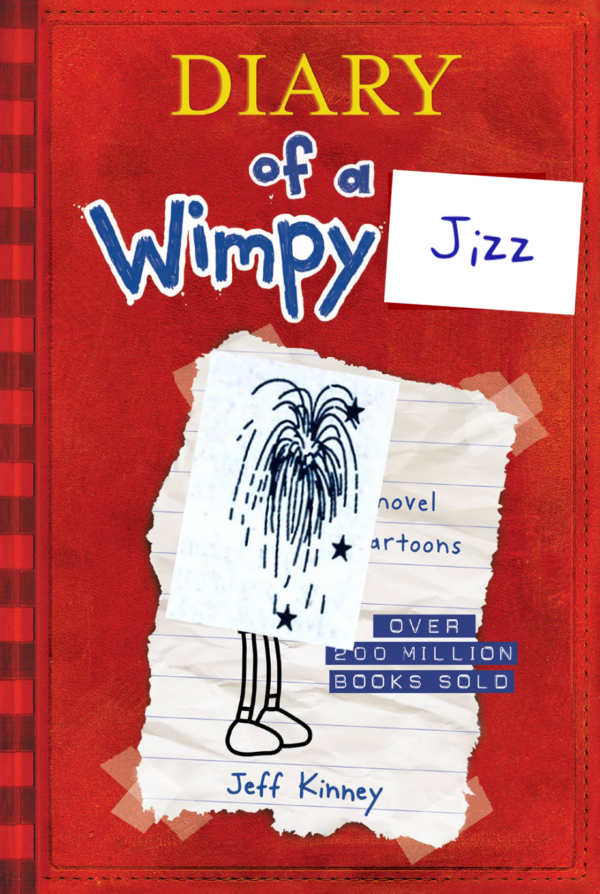
Not bad! Graphic design is my passion.
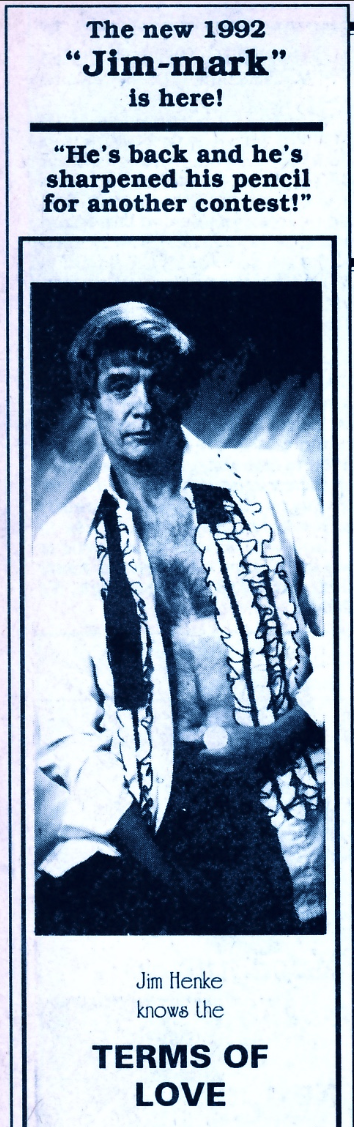
This is Shirl Henke’s late husband Jim, who would do custom photo shoots for book marks (Jim-marks) as part of the promotion for Shirl’s latest book. In this case they’re giving away a rare silver coin (in his hand by his waist) to a lucky reader who can guess which sex scene in Terms of Love is the one he wrote. In the article about the latest Jim-mark, Shirl reports that his bookmark poses were very popular with her readers.
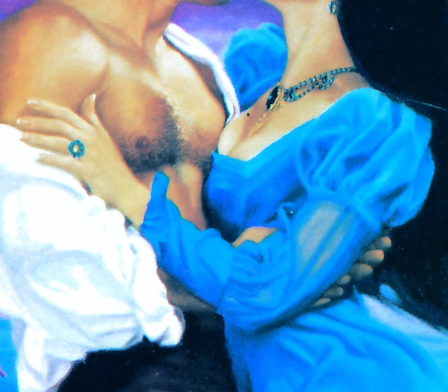
Because of the angle, this man looks like he has 7 fingers on his right hand.
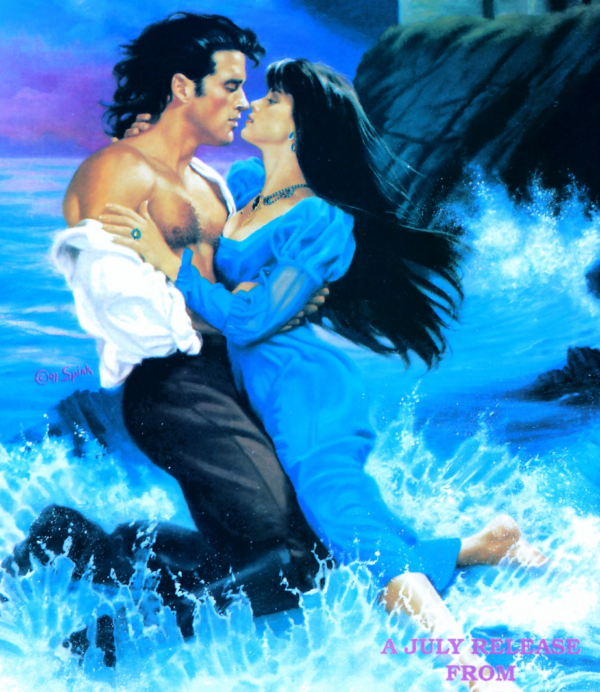
This is the cover illustration. They look like they’re kneeling on top of deep water? And she looks like Xena warrior princess.
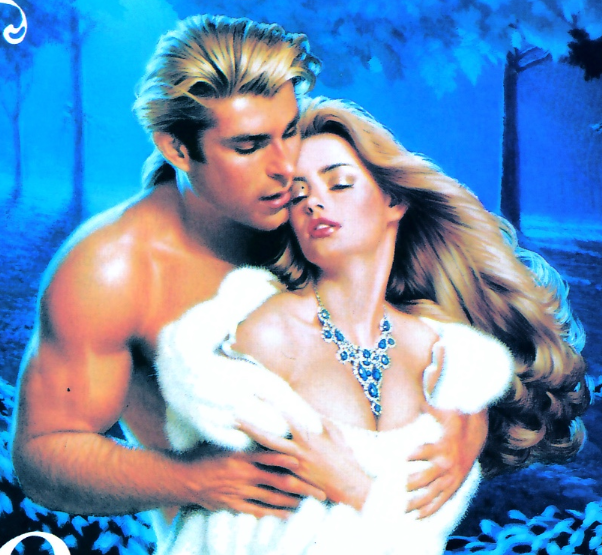
A close up of Surrender the Night: we think he’s looking at the necklace but we could be wrong.
Also get a load of that necklace! Is that called a “bib necklace?” Because WOW that’s a lot of jewels.
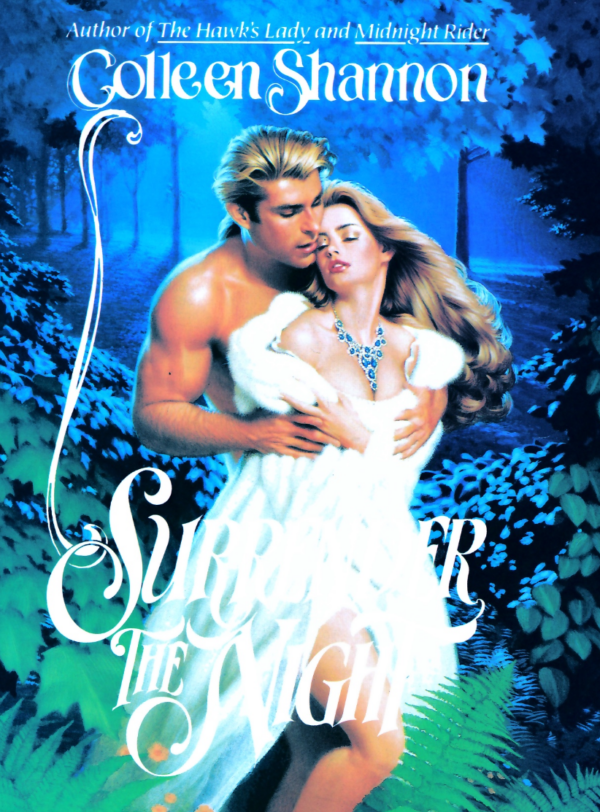
The full cover – think she’s got anything on under the fur coat? Are they going to do it in the park??
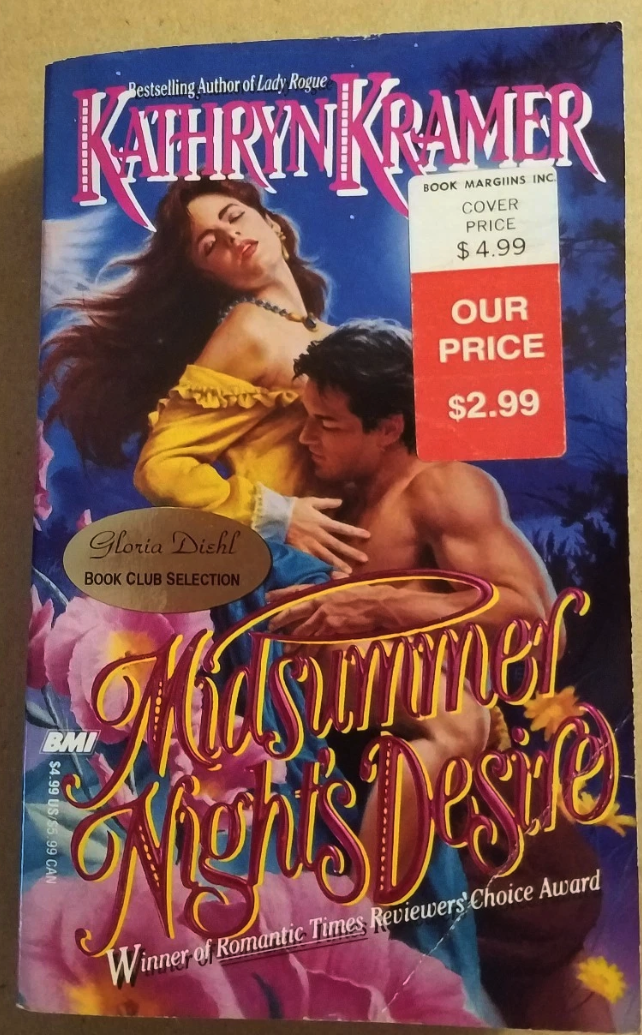
We don’t know who Gloria Diehl is, but we do know that this cover is a marvelous selection for her book club.
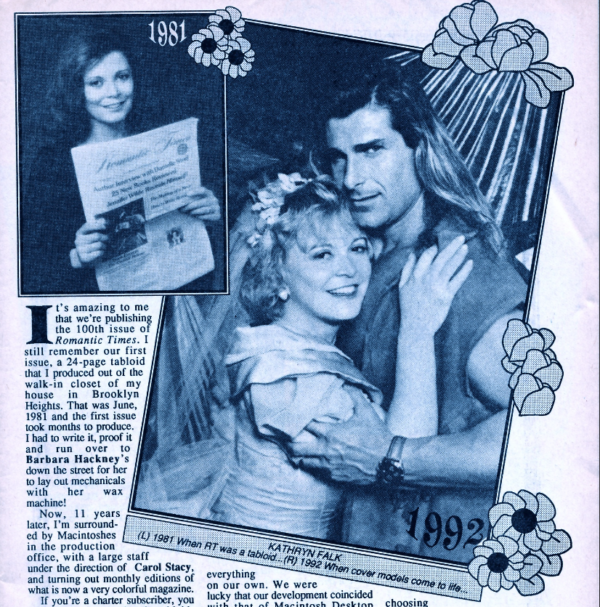
The lead article from the 100th issue, featuring Kathryn Falk holding the first issue of RT, and a 100th issue photo of her embracing Fabio.
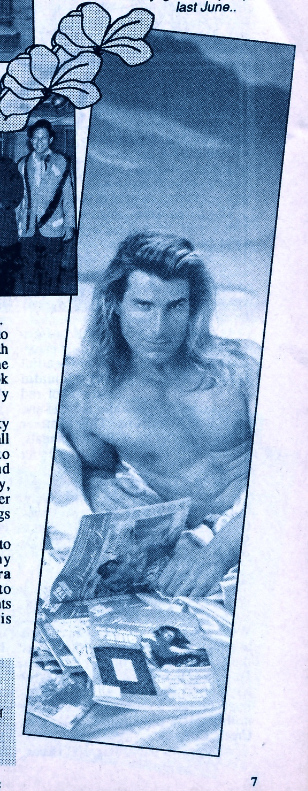
And another bookmark! This is the Fabio bookmark they gave away to celebrate 100 issues, and my GOSH I wish I could see it in color. Someone has to have one of these, right? He’s reading issues of RT!
If you like the podcast, you can subscribe to our feed, or find us at Apple Podcasts, Spotify, or wherever you listen to your favorite shows!
❤ Thanks to our sponsors:
❤ More ways to sponsor:
Sponsor us through Patreon! (What is Patreon?)

What did you think of today's episode? Got ideas? Suggestions? You can talk to us on the blog entries for the podcast or talk to us on Facebook if that's where you hang out online. You can email us at sbjpodcast@gmail.com or you can call and leave us a message at our Google voice number: 201-371-3272. Please don't forget to give us a name and where you're calling from so we can work your message into an upcoming podcast.
Thanks for listening!
Podcast Sponsor

Picture this.
You left your hometown with a broken heart, a big dream, and every intention of never looking back. Then life starts lifeing. It laughs at your plans and sends you home.
That’s where A Hard Habit to Break begins.
Architect Rachel Johnson returns to the tiny mountain town of Service, West Virginia, for one reason: her father’s wedding. Two weeks. That’s all she has to survive. There’s just one tiny complication. The man she never quite got over still lives next door.
Firefighter Noah Calvary has spent years convincing himself that first loves belong in the past. Then Rachel pulls into town with a successful career, a designer wardrobe, and because the universe has an excellent sense of humor, another man.
Awkward?
Absolutely.
Over?
Not even close. In fact, they get roped into serving on the town’s redevelopment committee…together.
What follows is a delicious collision of professional rivalry, meddling family, small-town gossip, old memories, new secrets, and enough sparkling banter to make you grin when no one’s looking. Beneath every laugh is a question: what if the life you were chasing cost you the love you were meant to keep?
If you adore second chances, crackling chemistry, laugh-out-loud moments, swoony MMCs who know exactly when to stand their ground (and when to let a remarkable woman soar) it is the romance you’ve been waiting for.
Because sometimes the hardest habit to break isn’t going home. It’s pretending you stopped loving the person who always felt like home.
A Hard Habit to Break by Siera London is a story about choosing love without losing yourself, finding hope where you least expect it, and discovering that happily ever after deserves a second chance.
Come back to Service, West Virginia. Noah and Rachel are waiting for you.
Transcript
❤ Click to view the transcript ❤
[intro]
Sarah Wendell: Hello and welcome to episode number 733 – whoo! – of Smart Podcast, Trashy Books. We are going back to 1992 to check out the July ads and features in the one-hundredth issue of Romantic Times. It contains some fascinating retrospective looks at romance and at cover art, and is very much a small celebration of itself. Which it should be: a hundred issues is incredible.
I will have links to all of the ads and pictures and covers we talk about in the show notes at smartbitchestrashybooks.com/podcast under episode 733, or you can check out our YouTube channel at Smart Podcast Trashy Books and see the video, where I also put these images on screen.
I have a compliment this week, which is so fun!
To Grace M.: You know how when you open a soda and you didn’t know it had been rolling around in someone’s car and it kind of geysers everywhere? Your smile, your laugh, and your hugs make people feel exactly like that: a tiny bubble, and then whoosh! Except it’s only, it’s only good things, only good results; there’s no mess to clean up or anything like that.
If you would like a compliment of your very own, have a look at patreon.com/SmartBitches. The Patreon community is the reason the show keeps going, it’s the reason we have transcripts handcrafted by garlicknitter – howdy, garlicknitter! – [howdy! – gk] – and they are the reason why I can procure new issues of Romantic Times and we can go back in the time machine! Patreon support means a tremendous amount, and if you would like to join, you would be joining one of the loveliest communities of humans on the internet. I promise that’s true! You can meet them all in our Discord.
And if Patreon support is not in the cards, may I please invite you to leave a review wherever you listen. Seriously, it really, really makes a very big difference!
Support for this episode comes from A Hard Habit to Break, a new book from Siera London. Picture this: you left your hometown with a broken heart, a big dream, and every intention of never looking back. Then life starts life-ing. It laughs at your plans and sends you home. That’s where A Hard Habit to Break begins.
Architect Rachel Johnson returns to the tiny mountain town of Service, West Virginia, for one reason: her father’s wedding. Two weeks; that is all she has to survive. There is just one tiny complication: the man she never quite got over still lives next door. Firefighter Noah Calvary has spent years convincing himself that first loves belong in the past. Then Rachel pulls into town with a successful career, a designer wardrobe, and because the universe has an excellent sense of humor, another man. Awkward? Absolutely. Over? Not even close. In fact, they get roped into serving on the town’s redevelopment committee together.
What follows is a delicious collision of professional rivalry, meddling family, small-town gossip, old memories, new secrets, and enough sparkling banter to make you grin when no one’s looking. Beneath every laugh is a question: what if the life you were chasing cost you the love you were meant to keep? If you adore second chances, crackling chemistry, laugh-out-loud moments, swoony MMCs who know exactly when to stand their ground and when to let a remarkable woman soar, it is the romance you’ve been waiting for. Because sometimes the hardest habit to break isn’t going home. It’s pretending you stopped loving the person who always felt like home.
A Hard Habit to Break by Siera London is a story about choosing love without losing yourself, finding hope where you least expect it, and discovering that happily ever after deserves a second chance. Come back to Service, West Virginia. Noah and Rachel are waiting for you. You can find A Hard Habit to Break at all major retailers. There are links in the show notes, and there will be a link at smartbitchestrashybooks.com. Thank you to Siera London for supporting this episode.
Okay, folks, the time machine is all charged up. I’ve got snacks; I’ve got wine; I’ve got fizzy and non-fizzy beverages for everyone. Let’s go back to July 1992. On with the podcast.
[music]
Sarah: We are back to talk about the July nineteen-two – nineteen-two. 1902. The July –
Amanda: [Giggles] 1902!
Sarah: – 1902 Romantic Times magazine. It’s going to be very chaste. We are back to talk about July 1992 Romantic Times hundredth issue. We already covered the cover.
Amanda: Yeah. Fabio –
Sarah: We discussed his Fabio-ness.
Amanda: – descending from the heavens, yeah.
Sarah: But if you think that this is the only place where Fabio is going to show up –
Amanda: Wrong. He haunts this issue. He – [laughs] –
Sarah: He haunt- – that is the perfect word for it. The, the Fabio verb is haunt. Yes –
Amanda: Yeah.
Sarah: – he haunts this issue. And I really think that Kathryn took so much credit for discovering him, and that is part of the reason why he’s all over this issue.
Amanda: Yeah, a lot of this issue is like, I described it as the back of a high school yearbook when your parents take out, like, little ads? It’s like, Congrats on graduating, our senior! And they put, like, baby photos? That’s mostly what this issue is. It feels like the back of a yearbook. [Laughs]
Sarah: It really does.
Amanda: And then, you know, they’ve got some interesting retrospective content, and very little in reviews, as you probably heard from the reviews episode. But yeah, it feels very yearbook-esque to me.
Sarah: Oh yeah. So starting with page 2, there is a full-page ad from the magazine.
>> Romantic Times magazine celebrates its hundredth issue with special thanks to readers, booksellers, authors, publishers, and distributors. We couldn’t have done it without you.
And there are three quotes at the bottom from Phyllis Whitney, Victoria Holt, and Barbara Cartland. Barbara Cartland is going to be front and center, because I think –
Amanda: Yeah.
Sarah: – that is the other relationship that Kathryn seems to have really valued in regards to the magazine, that she was friends and connected with Barbara Cartland, and Barbara Cartland was going to be in this magazine. But you notice they don’t ever really talk about Barbara Cartland books. Like, they don’t –
Amanda: Well, no!
Sarah: – look –
Amanda: None of her books –
Sarah: They don’t really talk about the books.
Amanda: But they did have a giant feature when she passed away. We covered the issue –
Sarah: Oh yes!
Amanda: – when she, like, died.
Sarah: There were oak leaves. I believe it was oak leaves?
Amanda: [Laughs] Yeah.
Sarah: Collecting leaves from the tree. I mean, to Kathryn’s credit, she is very good at creating a ritual around something. There were, there have been parties and things that she has talked about where there was ritual. And now that I think about it, the Romantic Times conference had a lot of very ritual elements. Like, we always had a big dinner with Heather Graham and a show and a hanging, and there was all of these elements that were always going to happen at every RT, and everyone –
Amanda: Yeah.
Sarah: – knew the deal. Like, yeah, it was very, she’s very good at creating a, a moment and a scene. But I love how Barbara Cartland is front and center.
Amanda: Yeah.
Sarah: On page 3 is a full-page ad for B. Dalton booksellers – may they rest. One of the two bookstores in my mall growing up.
Amanda: [Laughs]
Sarah: I had a B. Dalton at one end and a Waldenbooks at the other, and I would just go back and forth. And this ad is such, of its time.
>> Follow your heart to B. Dalton. We’ve made a commitment to romance. That’s right. Stop by your neighborhood B. Dalton bookseller and see what we have to offer.
They talk about their selection:
>> All the new releases from your favorite authors. We also stock the best of the backlist, including a collection of the finest titles in print from the last decade. Try finding that anywhere else.
Amanda: In terms of, like, the franchise bookstore wars, I was always –
Sarah: That’s a vintage, vintage battle, yeah.
Amanda: I know. I was always a Borders girl. I thought Borders was so good, ‘cause they often had –
Sarah: …Borders?
Amanda: I know. They often had, like, the, like, reduced price or buy two, get one free sort of stuff? And they had –
Sarah: Oh yes! Oh.
Amanda: – mass markets all the time. I loved my Borders.
Sarah: The Borders that opened in Pittsburgh was such a massive building that, like, my family actually made a pilgrimage one day after church.
Amanda: [Laughs]
Sarah: Like, after church, we’re going to go to Borders! And I didn’t know what that was. Like, we’re going to go to Borders; it’s a big, it’s a bookstore. It was, it was one of the big, big standalones. It had two levels; it had –
Amanda: Yep.
Sarah: – multiple fireplaces; it had new, comfy –
Amanda: Ugh, a two-story Borders.
Sarah: This was, it had just opened.
Sarah: Oh!
Amanda: Ugh.
Sarah: It had fireplaces; it had reading nooks? I was like, I, I probably was maybe twelve or thirteen, and I wanted to move in. I was like, I can’t believe that this is a place I can go. And then of course I was like, Can we go back? Can we go back? And my parents were always like, No. No. No.
Amanda: [Laughs] Well, like, if –
Sarah: Oh my –
Amanda: This –
Sarah: – gosh. It was a destination.
Amanda: – might be a deep cut, but, like, if anyone has watched Demolition Man –
Sarah: [Laughs]
Amanda: – and they have the fast food franchise wars, and Taco Bell won the fast food franchise wars? Live Más.
Sarah: It’s winning this era, too.
Amanda: Big ups to Taco Bell.
Sarah: Yeah.
Amanda: Yeah, I feel like Borders would be my bookstore franchise war winner.
Sarah: Championship, yeah.
Amanda: Mm-hmm.
Sarah: I mean, I stopped taking my kids to Barnes & Noble ‘cause it was a toy store. There were no books in it until you went upstairs, and in the back it was all toys and games, and I was like, Well, this is no fun for me.
Amanda: They just move stuff around, too, and I’m like, what the fuck is this organization? What is this?
Sarah: I know.
But this is a full-page ad from a B. Dalton Bookseller trying to convince people that we stock romance and we are friendly to you, which, one, tells you this was the pervasive attitude towards romance from booksellers, like, Oh, whatever; we’re not interested. They’re actually making an open statement: No, you should come and shop with us because we are stocking your books? This was a time when if you went to an independent bookstore and asked for romance, they would actually be rude to you to your face.
Amanda: Oh yeah.
Sarah: Imagine this letter from Amazon. Imagine Amazon posting a full-page ad telling romance readers to come and shop there. Like –
Amanda: Amazon would never. Amazon’s ads would be like, Fuck you. [Laughs]
Sarah: You can’t live without us! Deal. We hate you –
Amanda: Yeah.
Sarah: – but you can’t quit us! Yep. It’s –
Amanda: Yeah.
Sarah: – it would be very, it would be very abusive.
Amanda: It would be antagonistic, for sure.
Sarah: And then the third ad is from Ballantine, Del Rey, Fawcett, and Joy – or Ivy, excuse me. It looks like Joy, but it’s Ivy.
>> Romance Forever. Congratulations on your hundredth issue.
Like, you, you’re so right. This is really like the back of the yearbook with your parents –
Amanda: Yeah!
Sarah: – placing ads.
Amanda: Yes.
Sarah: Our ad for my younger child was a picture of the cat on her back –
Amanda: [Laughs]
Sarah: – with her, with her belly up. And it said, Congratulations! Kate says, “Seize life by the claws.”
Amanda: Awww!
Sarah: And everyone else had, like, these super shmoopy baby pictures and whatever, but my child was transitioning, so that was not going to work.
Amanda: Yeah.
Sarah: But we thought the cat, the cat was the best choice. And we did not tell them that we were placing this ad until all of their friends were like, Your cat’s in the yearbook!
Amanda: [Laughs] I don’t know what my parents –
Sarah: Like, What?!
Amanda: – did for mine. I don’t remember it at all. I don’t even think I have my high school yearbook. I think my mom texted me a while ago, like, Hey, do you want your high school yearbook? I was like, No, you can just – [laughs] – toss it in the garbage. I don’t care.
Sarah: I have my high school yearbook. I graduated in ‘93. When I tell you the hair is big and crispy.
Amanda: I have my grandmother’s yearbook. When, when they passed, my grandfather passed away, and then my grandmother passed away like eight or nine months after that? And we were going through the house. I found her high school yearbook. She probably graduated in the ‘60s? Maybe even a little earlier.
Sarah: Oh…
Amanda: It’s – and I, I took it. And then they also had, those grandparents were very religious. My grandfather was –
Sarah: Right.
Amanda: – a pastor, taught at a Christian school; my grandmother did Bible studies. Yeah.
Sarah: That’s hardcore!
Amanda: He, he taught, like, a computer class at a, at a Christian high school. But I found, like, their old, generational, family Bibles. Like, one of the Bibles is so small, it’s like a, like a, what is it? Like a travel Bible? Like a –
Sarah: Pocket size?
Amanda: Yeah, pocket-sized Bible from 1903. Like –
Sarah: Whoooa!
Amanda: – these are old relics. And I’m not religious, but I thought they were just, like, so cool. Both my grandmother’s old yearbook, seeing her in the yearbook, you know, at eighteen, and then, like, the old –
Sarah: I was doing ancestry work and found my –
Amanda: Yeah!
Sarah: – my father-in-law’s mother’s high school yearbook picture, and it, it was so cool.
Amanda: Yeah!
Sarah: So cool. Like –
Amanda: And I, like, that, to me, is cooler than keeping my own.
Sarah: And isn’t it wild to see people who you have only known as old, like, seeing them in their last, like –
Amanda: As, like, adult-adults. Yeah!
Sarah: Right? Like, seeing them in the last few decades of your, of, of their life, and then, like, here’s a picture of them at like eighteen?
Amanda: Yeah.
Sarah: So wild.
Amanda: And it has, like, all of their, like, inscriptions, right? From their friends and stuff. It was neat! Yeah!
Sarah: And none of it makes sense ‘cause it’s all inside jokes and slang –
Amanda: Yeah.
Sarah: – from that era and you’re like –
Amanda: I don’t know.
Sarah: – What, what?
Amanda: Okay, grandma!
Sarah: So, moving on to PDF page 5, this is where the, the –
Amanda: The ghost of Christmas past, present, and future, Fabio has returned.
Sarah: Yeah, this is, this is when the somewhat self-celebratory aspects begin, because they’re celebrating themselves, as they should. I mean, listen, when we turned twenty, I talked about it all Goddamn year, so.
Amanda: [Laughs]
Sarah: This is Kathryn’s letter or, like, you know, column, and it starts with a picture of her holding the original issue 1, the tabloid-sized newspaper, in 1981, and it’s very soft focus, and her hair is very soft. And then there’s a picture in 1992 of her in a gown with, like, there’s a headpiece and a veil? And she is embracing Fabio. Yeah, yeah, big ol’ Fabio.
Amanda: Yeah.
Sarah: So we’ve got more Fabio in here. One of the things that jumped out at me is:
>> Much appreciation goes to Fabio and San Francisco art director Steve Gandolfo, who helped create the concept, the bookmark, and helped with choosing type for a new logo. You did notice that Romantic Times has a new typeface.
Number one, no, I didn’t notice. And number two, Fabio is helping you choose a typeface?!
Amanda: What, like, what I liked about this is the first few paragraphs that reference, like, changing technology?
Sarah: Yes!
Amanda: And I can – it’ll be a long read, ‘cause it’s like three paragraphs, but these are the first few paragraphs:
>> It’s amazing to me that we’re publishing the one-hundredth issue of Romantic Times. I still remember our first issue, a twenty-four-page tabloid that I produced out of my walk-in closet of my house in Brooklyn Heights. That was –
Sarah: Yep.
Amanda: >> – June 1981, and the first issue took months to produce. I had to write it, proof it, and run over to Barbara Hackney’s down the street for her to lay out mechanicals with her wax machine.
Sarah: We talked about the wax machine!
Amanda: I know! [Laughs]
Amanda: >> Now eleven years later, I’m surrounded by Macintoshes in the production office with a large staff under, under the direction of Carol Stacy and turning out monthly editions of what is now a very colorful magazine.
>> If you’re a charter subscriber, you probably remember that the tabloids used to smudge your fingers and turn yellow if left in direct sunlight. It took nearly five years before we moved from tabloid to magazine format, and another two years passed before we graduated to color covers and inserts. There was no one to teach us, so we learned everything on our own. We were lucky that our development coincided with that of Macintosh Desktop Publishing.
[Laughs]
Sarah: Yep! That was such an era when, if you did anything with publishing, it was on a Macintosh. It was not a PC. I was the editor of my school, of my college paper, and we did everything on those little tiny, little box Macintosh computers. Yeah. Everything was on a Mac. That, that was where all the layout software was. It is very cool to think that in 1981 she was in a closet and they were gluing and waxing, and then eleven years later she’s in an office surrounded by computers. That’s a lot of development in ten years.
Amanda: And then, like, I remember –
Sarah: That’s really cool.
Amanda: – the switch to, like, the digital version, right? That was also a big deal when they started posting things online because they couldn’t fit all the reviews –
Sarah: Yeah.
Amanda: – in a magazine anymore.
Sarah: And how many times did they launch and redesign and overhaul their website? The website was evolving –
Amanda: Yeah.
Sarah: – more than the magazine.
Amanda: I wish it still existed as an archive. I really wish it did.
Sarah: I know. I know.
Amanda: But hosting costs money, so.
Sarah: I know! And there’s not a lot of it in the Internet Archive, either. I think they really scrubbed it.
So let’s see here. There were a couple other things that I wanted to pull, to call attention to. One of the things that she talks about, right after she thanks Fabio for the, for the typeface, ‘cause, you know, it’s really important:
>> Since our fiftieth issue nearly five years ago, we’ve gone through considerable changes. The most exciting move is when we finally, finally found our new quarters.
Next paragraph.
>> Our large backyard is now a formal garden –
Amanda: Okay!
Sarah: >> – but we still find pieces of glass from its days as a tire flat shop. Mary, our gardener, outdid herself this spring with tons of red and yellow tulips, white azaleas, and rosy rhododendrons. This summer we’re going white with our annuals, bringing it closer to a Victorian feeling.
There’s a whole paragraph –
Amanda: Thanks, Mary!
Sarah: – about the Romantic Times garden. The garden!
Amanda: Okay!
Sarah: The other things that jumped out at me is the whole, like, thanking all of these different groups.
>> We also stay in touch with over five hundred and fifty distributors and buyers through our complimentary mailings.
All right, so that means that she is sending complimentary mailings of Romantic Times, or maybe just the reviews and the book lists? to distributors and buyers. So she is telling book distributors and book buyers, which are the people who would buy the books for different outlets – like, there was one buyer for all the truck stops in western Texas, and another book buyer for the grocery store chains in Illinois. Like, this was lots and lots of different people. I remember Kate Duffy telling me about this. And the five hundred and fifty book buyers are getting a free mailing from Kathryn about romance. Think of how much information that is that you don’t have to collate; you don’t have to –
Amanda: Yeah.
Sarah: – go find it. This one person is sending it to you. That is such a consolidation of power and influence in one person, and that’s so smart. Like, that is genius business acumen right there. I’m very impressed.
And then, of course, we have pictures of parties and people and, you know, here we are celebrating. It’s all black and white. Funny that she should mention the newsprint smudging on your hands? I didn’t want to cut this up and put it through the fast scanner –
Amanda: Yeah.
Sarah: – so I flatbed-scanned this, and my hands were black. The, this is –
Amanda: [Laughs]
Sarah: First of all, I’m having trouble reading it out loud because it’s so closely set. Like, this looks like a newspaper, but it’s also newsprint, and it was all over my hands; it was all over the scanner. I had to clean the glass of the scanner ‘cause it – yeah, this magazine is like reading the New York Times in 2002: like, very dirty.
On page 7, we have a photo shoot? There’s a whole –
Amanda: Yeah.
Sarah: – photo shoot here where they had a bookmark made –
Amanda: Yeah!
Sarah: – of Fabio shirtless, with the hair, lounging and reading issues of Romantic Times magazine.
Amanda: And I think they’re issues with him on the cover, ’cause that first one says –
Sarah: I do believe –
Amanda: Fabio. [Laughs]
Sarah: Fabio. She, he’s reading about himself, which, you know, fits. One of the questions –
Amanda: It seems on brand.
Sarah: – wait – a little bit. [Laughs] One of the questions I had –
Amanda: [Laughs]
Sarah: – was whether or not the cover photo was just a stock image of Fabio that he gave them to use, but I think they had a photo shoot between that and then this picture. They had –
Amanda: Yeah.
Sarah: – a photo shoot with Fabio to make this happen, which is kind of impressive in 1992.
Amanda: Well, the, it, I wonder if they sort of included it in the one where Kathryn Falk is getting her photo –
Sarah: Embracing him?
Amanda: – taken with him.
Sarah: Embracing him?
Amanda: Yeah! I wonder if they just –
Sarah: Yeah, I’m sure that was the same one.
Amanda: Yeah.
Sarah: I mean, you, you know that everyone was getting a photo with Fabio. But if you look, this bookmark, he’s, like, smoldering and reading about himself?
Amanda: Yeah.
Sarah: I looked for this bookmark. I looked for an image of it; I looked for it on eBay. Someone out there has to have one of the RT one-hundredth issue bookmarks somewhere. If you wanted one, you –
Amanda: They call it the four-color hunk bookmark, by the way.
Sarah: I mean.
Amanda: [Laughs]
Sarah: Sure! You had to send a legal-size, self-addressed, stamped envelope to the office, and they would send you the bookmark. Someone out there has one. I just want to see it in color; that’s all I want. I just want to see it in color, because this is outrageously –
Amanda: I’m assuming Steve doesn’t have one? There’s not one at the library?
Sarah: I would have to ask him!
Amanda: Yeah.
Sarah: At the end of her article, she makes sure to tell you that she’s sailing on the Queen Elizabeth II to Southampton?
Amanda: What a life.
Sarah: So she is –
>> This gives me the opportunity to celebrate the hundredth issue with my mentor and initial supporter, Barbara Cartland.
Amanda: Yeah.
Sarah: >> She’s invited me to Claridge’s for a reunion. My thoughts will be with all of you at this memorable occasion.
Amanda: [Laughs]
Sarah: Wow!
Amanda: I’ll think of all of you poors fondly.
Sarah: You people, I’ll think of you.
Amanda: [Laughs]
Sarah: You poors, oh my God.
Amanda: That’s, that’s the vibe. [Laughs]
Sarah: So this was very much Kathryn telling her own story. And, you know, it’s, it’s her magazine! Go right ahead. Like, if I’m going to tell the story of Smart Bitches, I’m going to make myself look real good! Actually, no, I’d be pretty honest.
Amanda: [Laughs]
Sarah: But then we get into the history of romance –
Amanda: Strap in.
Sarah: – by Mary Anne Landers.
Amanda: Strap in, everybody. [Laughs]
Sarah: Mary Anne Landers wrote Charting the Course, the history of romance. And I just want to call out that one of the things that she cites as the beginning of romance, she is not going back to Jane Austen; she’s not going to Castle of Otranto; she’s going back to the romance pulp magazines like Love Stories, Love Fiction, Ideal Love. And Lucynka, who is a big fan and collector of these pulps, has written posts for our Smart Bitches about the romance pulps, what they were like, what was going on in them, how they functioned? And they went the way of the mass market paperback. They are not published anymore. They were meant to be disposable; that’s why they were pulps. And it’s kind of wild to look at this particular magazine article citing the romance pulps as the start of romance fiction, when they and the paperback, which is what romance fiction was, are both gone now. Like, it’s, this is really like layers of history.
Amanda: Yeah.
Sarah: The article is a very interesting examination of the history of romance from a very specific point of view. This is, when I sent this to Steve Ammidown, he pointed out, Oh, this is a very specific angle in the history of romance. This is the angle in the history of romance as Romantic Times has, has seen it. So:
>> The year 1939 marked the birth of the mass market paperback as we know it. Romance hardcovers eventually made it to paperback, but the name of the game in women’s fiction was still largely romance pulps, and during the mid ‘50s, the pulps in general disappeared. The void left behind had to be filled. In 1957, a Canadian paperback publisher named Richard Henry Gardyne Bonnycastle issued The Hospital in Buwambo by Anne Vinton, a reprint of a romance first published by the British company Mills & Boon. Actually, it was his wife Mary Bonnycastle who came up with the idea. She was an avid fan of Mills & Boon and the mainstay “nice books with happy endings,” and persuaded her husband to publish more of them.
And then he got all the credit, but it is all due to Mary Bonnycastle. So I am, I am totally going to have a toast to Mary Bonnycastle when I have wine tonight, because it was his wife! It was his wife who did it.
Amanda: Of course it was.
Sarah: And then on page 10, they start talking about some of the more –
Amanda: [Laughs] We’ve – it’s so funny.
Sarah: – interesting! Interesting sections –
Amanda: So –
Sarah: – of romance.
Amanda: – to reiterate –
Sarah: To reiterate.
Amanda: – Sarah and I read the magazine independently of one another. We have a shared doc –
Sarah: Yes.
Amanda: – we sort of, like, add our notes, but we don’t ever sort of, like, review what the other has written before we start going through?
Sarah: No. We don’t google; I don’t look at Amanda’s notes; she doesn’t look at mine. Yeah.
Amanda: But oftentimes – and this happened with this particular portion of the Charting the Course retrospective – [laughs] – I clocked this, and then I saw that Sarah had also clocked this! And wowee! Everyone –
Sarah: Why don’t you, why don’t you read this section?
Amanda: This section is uncomfy, everybody. TRIGGER WARNING, trigger warning, trigger warning. So this is about the “sweet-savage” subgenre. I know.
>> Before long, two distinct trends emerged in the new school of historical romances and long contemporaries of a similar mindset. The first is the one man, one woman sensual romance initiated by Woodiwiss: the heroine really loves one man and remains faithful to him. The other trend became known as the “sweet-savage” subgenre. Some –
Oh my God, I can’t pronounce this word. Whatever!
>> – dismissed –
Sarah: Sweet-savage subgenre.
Amanda: >> – subgenre –
Summarily? There we go. My brain was, like, buffering.
[Laughter]
Amanda: >> – dis- –
Sarah: This is also really hard to read, because it is so small and close together.
Amanda: >> – summarily dismissed by its detractors as the “rape saga.” The afore- –
Sarah: Ooh!
Amanda: Yeah.
>> The aforementioned Rogers and Wilde –
So they’re mentioning Jennifer Wilde –
Sarah: Rosemary Rogers.
Amanda: – and Rosemary Wodger, Rosemary Rogers.
>> – as well as Patricia Matthews, are often cited as authors in this vein. This latter approach to romance, more graphic and violent than the former, features a heroine intimately involved with a number of men, not necessarily willingly. She suffers physical and sexual abuse, not only from the bad guys, but also from the hero, if that’s the right word.
Sarah: Mm-hmm.
Amanda: >> Her great love might be a man who introduces himself by raping her.
Yeah, sure.
>> Though books of this type attracted considerable attention, the shock value quickly wore off, as it always does. By the early 1980s, the one woman, one man format was in the ascendance and has remained the model ever since, though during the past few years it has again been challenged, as we’ll soon see.
Sarah: Wow.
Amanda: Wowee!
Sarah: So my note for this when I read this section was, Okay, first of all, rape saga is quite a term.
Amanda: I know.
Sarah: I’ve never –
Amanda: I was like, Ooh!
Sarah: – I’ve never – oof, yeah. I’ve never heard these described as “sweet-savage,” although I know that, like, they’re referencing Sweet Savage Love, of course.
Amanda: Yeah.
Sarah: But it, this, there is, in my opinion, a, a shade of judgment in the writing here.
Amanda: Oh yeah. [Laughs]
Sarah: Just a little bit of judgment.
Amanda: Oh yeah!
Sarah: And it is reminding me of the discussion that is happening right now with the announcement of the adaptation of this book that I remember as Haunting Evanescence, but it’s actually –
Amanda: I –
Sarah: – Haunting Adeline? Evelyn?
Amanda: Adeline. I –
Sarah: Adeline.
Amanda: Adeline by H. D., H. D. Carlton. I started wheezing when I read Haunting Evanescence in Sarah’s notes.
Sarah: [Laughs] You knew what I was talking about!
Amanda: Exactly! No, I exactly knew. [Laughs]
Sarah: That’s what it’s called from now on, everybody: Haunting, Haunting Evanescence.
Amanda: And it reminds me of – oh my God.
Sarah: [Sings] Wake me up! Wake me up inside! Anyway.
Amanda: What is, what was that – was it Harry Potter fanfic? Raven? Oh my God. Do you know what I’m talking about?
Sarah: Oh yeah, Raven Dark’ness, Ebony, Ebony Raven Way. Yeah, that was, that was, that was Harry Potter fanfic.
Amanda: That’s what – [laughs] – this reminds me…
Sarah: Haunting Evanescence?
Amanda: [Laughs]
Sarah: Ebony Dark’ness Raven Dementia Way or something like that, yeah.
Amanda: Yes. Those, those go hand in hand for me – [laughs] – for some reason.
Sarah: So the, the parallel here is fascinating to me, because there, there’s definitely a sort of Oh, these are rape sagas; this is terrible and horrible abuse. And yes, that’s all true.
Amanda: Yeah.
Sarah: But we also right now have that happening in romance. That’s always been present! There’s always been –
Amanda: It’s its own subgenre now. Like, it –
Sarah: It’s its own subgenre now! There’s a lot of discussion about dark romance that I think infantilizes the readers of it? Like they don’t know that what they’re reading is deviant and taboo and, and, like, you know, they have to be protected from their own choices. Like, do you remember when there was that one romance conference where people, like, like, from another group broke into the dance and were, like, groping women on the dance floor and – oh, and some of the people who were cosplayers were getting assaulted and groped?
Amanda: Ohhh, yes! Yeah, you wrote a thing on it.
Sarah: I think it was Sinners & Stardust?
Amanda: Yes.
Sarah: I wrote a whole – it was a Sinners & Stardust, and there was a whole post about, Oh, you know, well, this is what happens when you read dark romance: you lose all sense of boundaries. And I’m like, First of all, anyone who wants to read books with trauma in them, leave them alone. They know their choices. And there is a very big difference between choosing to read problematic and, and assaulting behavior and then doing it yourself. And if you are doing both and think that one justifies the other, well, you’re wrong! But that’s not a lot of people, I do not believe. I really –
Amanda: Yeah –
Sarah: – would like to be right about that.
Amanda: Sarah and I often get emails from people writing stuff, whatever, who want commentary? And mostly it’s tied to Colleen Hoover of, like, What do you think –
Sarah: I got another one this week! How come you haven’t reviewed any Colleen Hoover books?
Amanda: ‘Cause we don’t want to. Like, who –
Sarah: This, this email –
Amanda: ‘Cause we don’t want to.
Sarah: This, this email actually asked me, this email actually asked me, Do you have a beef with her? And I was like –
Amanda: No!
Sarah: No? [Laughs]
Amanda: I can – if anyone asks what I think of a Colleen Hoover book, I’ll tell them it’s not for me. I find them really melodramatic? I do like an angst, but they’re just not for me, and I don’t enjoy reading them –
Sarah: Yeah!
Amanda: – so why would I read them and review them if I know I don’t like them? And also, Colleen Hoover is not hurting for exposure. Okay? So –
Sarah: [Laughs]
Amanda: – who fucking cares?
Sarah: Amanda, she is alone on the Oregon Trail right now.
Amanda: Whatever. But when it comes to, we get questions of, like, What do you think of these books promoting toxic relationships and stuff like that? Sarah and I are pretty on the same page of, like, that question feels infantilizing? You know –
Sarah: Yeah.
Amanda: – do men get similar questions about reading, you know, The Name of the Wind, where what’s-his-face is porkin’ everybody? Like, you know. [Laughs]
Sarah: Porking! [Laughs]
Amanda: I just, like, you know –
Sarah: You’re totally right!
Amanda: No, men who write fantasy with sex and romance in it, it’s not “romantasy.” Like, I just, I hate sort of the whittling down that romance readers are not smart enough to separate fiction and reality.
Sarah: Yes. And I think that’s what this article is doing as well. It’s like, Oh, this is harmful, this is graphic, this is bad and violent, and we’re going to go back to just one man, one woman, which, again, very reductive. But I, I made a note: this whole article, first of all, there are no sources cited, so I don’t know where she’s getting this information. Like, this now is going to have to be a primary source, because, like, there’s no cite, sources cited in this article. This article has such Not Like Other Girls energy. So much Not Like Other Girls energy.
So that’s –
Amanda: Yeah, we –
Sarah: – the history of romance.
Amanda: Yeah, we encounter this a lot – back to social media. Like, Oh, if you read this, you’re terrible, or whatever. And it’s like, BookTok girlies, you can’t tell me shit. I’m so sorry. Like –
Sarah: [Laughs]
Amanda: – I have, I have been reading –
Sarah: You were there when the dark magic was written.
Amanda: Do not cite the deep magic to me, witch! Yeah, I just, I feel like longtime readers of the genre just know what they like, know what they don’t like, and, you know, have probably cut their teeth on more problematic stuff that would make your head explode –
Sarah: Oh –
Amanda: – right? So –
Sarah: – please. I got two words for you, and those words are Silver and Angel. I mean –
Amanda: I just –
Sarah: – whoof!
Amanda: Yeah.
Sarah: It, it, it’s very frustrating, because I don’t actually like any of those types of books. I can’t read them! They are not going to go in my brain because I know they would be too much for me, but I am really not interested in governing or legislating or even trying to control what somebody else reads. Like, that’s really not a job I want. No, thank you.
Two more things I wanted to point out; excuse me. On PDF page 11 – this article is very long about the history of romance. This, this person –
Amanda: Yeah.
Sarah: – this is many pages.
>> In 1980, editor Vivian Stephens introduced an offshoot: Candlelight Ecstasy Romance, the first sensuous romances in the slim contemporary series format. The emphasis was on detailed sensuality reminiscent of the thick historicals.
And the, the, the words thick historicals completely cracked me up. Like, I, I had to pause –
Amanda: [Laughs]
Sarah: – because that’s really funny.
And then on the next page:
>> Another significant subgenre of the early ‘90s might be thought of as a revival of the sweet-savage sagas of the ‘70s: historicals that challenge the one-woman, one-man rule and venture into raw sexuality and rough sex. An example is Johanna Lindsey’s 1991 Avon release Prisoner of My Desire, which graphically depicts female to male rape. Other authors cited under this heading –
Sorry for all of y’all!
>> – include Brenda Joyce, Nan Ryan, Virginia Henley, Francine Rivers, Judy Cuevas, Kasey Michaels, and Susan Johnson.
This sounds so judgmental. So judgmental!
Amanda: Yeah, like, how they talk about, like, one, one woman and one man, and now we’ve got –
Sarah: One woman and one man!
Amanda: – Why Choose; we’ve got Omegaverse, where men –
Sarah: Why cheese?
Amanda: Why cheese – where men are getting pregnant. Where’s the RT reviews –
Sarah: Do not –
Amanda: Mpreg section? That’s what – [laughs] – that’s what I want to read about.
Sarah: Wait! Wait, wait, wait! Wait, wait, wait. To go back –
Amanda: [Still laughing]
Sarah: – to our earlier discussion of which magazine would, which, which, which individual would be the cover. Is there an Mpreg author who would be the cover?
Amanda: Yeah, an Omegaverse – that’s not my, my big wheelhouse, so I feel like I’m not qualified to –
Sarah: If you know who should be on the cover of Mpreg Omegaverse magazine, just let us know; we want to know.
Amanda: Yeah!
Sarah: Now, you, you pointed out something on page 12 as well.
Amanda: Yeah! I thought this was interesting. I mean, like, this also isn’t in my wheelhouse? And as Sarah mentioned, there’s no sort of, like, sources cited. This feels like a very –
Sarah: We don’t know where any of this is coming from.
Amanda: – writing this on vibes and theories?
Sarah: Yeah.
Amanda: But they mentioned that:
>> – the Gothic genre, pronounced as dead as the Penny Dreadful around 1980, is enjoying a small resurgence. There’s even a fledgling journal specializing in Gothics old and new called Gothic Journal. The Gothics’ more urbane cousin, the romantic suspense novel, has its core fans.
So I thought it was interesting they were drawing a parallel to sort of the decline of Gothics and how romantic suspense is sort of like Gothic-adjacent or follows, like, the through line of, like, a de-, the decline in Gothics, which is seeing a resurgence in the ‘80s. But I thought that was interesting, ‘cause I’d never thought of the two sort of linked in any way. I’m curious what Elyse would think of this statement, ‘cause Elyse is a Gothic romance reader and is a romantic suspense reader. So I’m curious about someone who reads those genres more than I do?
Sarah: Yeah.
Amanda: And what they think of that sort of comparison or parallel. If you’re one of those readers, definitely would love to hear your thoughts.
Sarah: I want to ask Agatha Andrews about that –
Amanda: Oooh!
Sarah: – because she’s actually writing a book –
Amanda: Yes!
Sarah: – about Gothics. She’s writing a whole book about Gothics, so I have to ask her about this.
Amanda: Yes, get, get Athaca – Ag- – [laughs] – oh my God. Get Agatha –
Sarah: [Laughs]
Amanda: I know. Get Agatha to do, like –
Sarah: Get her on the horn!
Amanda: – a little call-in. Yeah, like a radio call-in –
Sarah: Yeah.
Amanda: – about –
Sarah: Oh, did –
Amanda: – Gothics.
Sarah: – did you, did you see in the column next about, there’s a, a bunch of romance magazines?
>> The early ‘80s marked the first expansion of romance periodicals. Four slick bedsheet-size national magazines appeared. Barbara Cartland’s World of Romance, Cameo, and the companion p-, periodicals –
Excuse me.
>> – Torch and Torchlight. There were digests – Romantique. And the strangest of the lot was Rhapsody Romances, a tabloid featuring a complete romance with a large rotogravure cover photos illustrating the story every few pages. And while we’re on the subject of odd footnotes to the history of romantic fiction, let us not forget the short-lived newspaper comic strip illustrated by Gray Morrow, Barbara Cartland’s Romances.
If you made a drinking game of how many times –
Amanda: Barbara Cartland.
Sarah: – Barbara Cartland is mentioned in this issue, you would –
Amanda: Yeah.
Sarah: – not have a liver when you were done.
Amanda: Yeah.
Sarah: >> Each of these romance magazines folded quickly, but another enjoyed better luck. It was founded in 1981 by a romance reader, Kathryn Falk, to review books –
Amanda: Oh God.
Sarah: >> – profile authors, and report on how to write. Not only is it still around, you’re reading it!
Oh wow, how clever! Yep. This is –
Amanda: There’s also a, a brief mention of ethnic romance, so.
Sarah: One paragraph! Just, just the one paragraph for ethnic romances.
Amanda: Just a quick –
Sarah: Yeah.
Amanda: – just a quick little mention!
Sarah: Mm-hmm. And then the new subgenre of American Indian romances, which are a break with Eurocentric tradition. Wow!
Amanda: Oh boy.
Sarah: Wow, wow, wowee-wow.
Amanda: Heh.
Sarah: One thing that I did like about this article. There are two paragraphs on page 13 – I realize we’re spending a lot of time with this, but this, there’s so much here. So much.
Amanda: This is a long article. This is like the main article.
Sarah: This is the main feature.
>> Another subset of women’s fiction is growing in a different direction: books with mainstream themes and romance novel values. They feature gent-, genteel, restrained heroines with whom category romance fans can identify, in contrast to the hard-boiled viragos of the glitz genre.
Like, Judith Krantz is what they’re referring to. What the fuck are they talking about?
Amanda: I don’t know.
Sarah: Romance novel values? What’s a romance novel values?
Amanda: This article is very word salad-y.
Sarah: It is extremely word salad; they’re just making shit up.
Now, here is something that I liked:
>> To sum it up, romance fiction can no longer be conveniently dealt with as one genre. It has become a supergenre, a conglomerate of subsidiary genres and subgenres. Among the roughly –
Amanda: [Laughs] Supergenre.
Sarah: >> – one hundred and twenty romances published in America –
Amanda: Oof!
Sarah: >> – each month –
One hundred and twenty a month.
>> – there’s something for everyone, even with readers with highly specialized tastes.
So a hundred and twenty romances a month is like, wow.
Amanda: We’re looking at like one-twenty a week, probably more.
Sarah: One-twenty an hour, easy! One-twenty an hour –
Amanda: Jesus.
Sarah: – if you’re counting Kindle Unlimited, yeah.
Then we get into Something for Everyone, written with, by Melinda Helfer in collaboration with Kathe Robin, where they write about each genre and mention books and authors in that genre. They start with Futuristic, and it is –
Amanda: And this is a bunch of nonsense. This is nonsense.
Sarah: This is all. Word. Salad. This is soos-, it is salad. The article is bananas in its reasoning. And I just need you to know that I searched this because it was bothering me: the word heretofore is used four times in this article.
Amanda: It’s a lot. Yes.
Sarah: That’s a lot.
Now, I wanted to ask you, on page 15: do you understand the opening paragraph description of science fiction romance?
Amanda: I don’t understand like ninety percent of this feature. [Laughs] And the examples that they’ve used for sci-fi romance, in my opinion, aren’t sci-fi. They’re –
Sarah: Oh, absolutely!
Amanda: – they’re fantasy! Like, they mention Anne McCaffrey. That’s –
Sarah: Twice.
Amanda: – that’s dragons. That’s dragons, baby. That’s not sci-fi. [Laughs] That’s, those are dragons. Not that you can’t have dragons –
Sarah: Those are dragons, y’all.
Amanda: – in space, but, like, normally dragons are fantasy, you know?
Sarah: Yeah.
Amanda: So –
Sarah: Oh yeah.
Amanda: – I just – and –
Sarah: Absolutely.
Amanda: – so the opening paragraph for a little primer on sci-fi romance is this:
>> For many, science fiction romance is very similar to futuristic romance. The difference is one of approach and balance.
Of what? I don’t know.
>> In a science fiction romance, there is much less actual amount of time devoted to the emotional development of the romantic relationship.
Hard disagree. A hard disagree there.
>> The what-if scenario is detailed extensively in all its aspects, and the potential lovers are actively involved in dealing with different aspects of the propositional consequences.
What the fuck does that mean? What are propositional consequences?
Sarah: Why are there so many aspects?
Amanda: I don’t know, but it’s like –
Sarah: Propositional consequences is, like, the name of my band.
Amanda: I think, my guess is what I think they’re trying to say is these romances are focused less on internal emotional conflict and more on external, sort of environmental –
Sarah: Circumstances.
Amanda: – circumstances. I think that’s what they’re trying to say. I don’t necessarily agree that emotional development isn’t given as much time as other conflicts? ‘Cause I think you do have
Sarah: Mm-hmm.
Amanda: – some sci-fi romances that are pretty – I think of, like, Linnea Sinclair a lot.
Sarah: Oh, I was just thinking of Linnea – Linnea Sinclair would have so many things to say about this paragraph. [Laughs]
Amanda: Yeah, ‘cause I think her books – which is like early sci-fi romance, I think – do a good job of, like, internal and external conflict? And I do think you do have sci-fi romances that are very much action-adventure forward? Like Jennifer Estep’s sci-fi romance? I think Only Bad Options is the first book. But I don’t agree that it is, like, the convention of the sci-fi romance genre that this is how it’s structured. I also don’t agree that, they said the difference between this and futuristic romance is approach and balance? And I’m assuming they mean approach and balance to the conflicts that we’ve just described. Futuristic and sci-fi are the same thing to me.
Sarah: This is a weird article. There are sections for fantasy, historical, and contemporary, supernatural, New Age, imaginary worlds, time travel, suspense, historical general, series general. Like, it, it’s so –
Amanda: This feel like –
Sarah: – much.
Amanda: – they needed to really make the page count or the word count? So.
Sarah: And mention as many authors in bold as they can. It’s like it’s all, it makes me think that they wrote genre, genre types on a board and then just started listing names that needed to be written under those headings. Like –
Amanda: Yeah.
Sarah: – they were like, we need to make sure we mention all of these people. And it, it’s, it’s not doing anything. I don’t think this is – the, the readers of the magazine should probably already know this? But this is, like I said earlier, this is now like a primary source, ‘cause there’s no sources cited in this; they’re just writing it. So who the hell knows?
Amanda: Yep. Yeah.
Sarah: Also, looking at page 22, The History of Romance Cover Art, written by Denise Little, the B. Dalton romance buyer. Now, first of all, I just want to say that these people do not care about my eyesight, because the type is small; there is very little space. It is, it really does look like a newspaper, and my eyes hurt reading this, even though I blew it up to as big as I could.
Book buyers had a say in what romance looked like. So to have a book buyer, thankfully a woman, talking about the history of cover art is really interesting, because what was told to me by Kate Duffy was that all of these book buyers around the country, they were men. And so the books needed to appeal to them. So the covers were trying to appeal to male book buyers to get them to put them in stores. And this article backs that up. So in the history of cover art, there are a couple things I want to just mention.
>> Ian Ballantine was convinced that there were many more people who wanted to read books than could afford to buy them. Beginning in the ‘30s and ‘40s, he formed the companies that became Pocket Bantam, New American Library, and Ballantine Books to produce inexpensive paperbacks. Regular bookstores wouldn’t carry the abominations, so Ian sold his books in non-traditional marketplaces like grocery stores, drugstores, and dime stores.
And how many of us found romance in one of those places?
Amanda: Yeah.
Sarah: >> In doing so, he did the romance genre a great service, because those books sold like crazy. The market he opened still sells more romances than all the country’s bookstores, independent and chain, together. (A little-known fact: the rationing of paper during World War II nearly killed the fledgling industry, but Ian convinced the army that paperback books not only informed but served a second purpose in the field and got access to a paper quota.)
He was not cut off from having paper.
>> By now, romances had a certain style. I call it the “man as an appendage” look.
Amanda: [Laughs]
Sarah: It was mostly a woman in the, in the center.
>> The second major school of thought came up with something not terribly original but very effective. Their theory: sex sells anything. Romance covers were festooned with embracing couples. The major markets for these books were still non-traditional ones, and the people who decided how many copies of a given book went into convenience stores and drugstores were usually older men. Publishers made an amazing discovery: the more female skin displayed on the cover of their books, the more copies these men purchased for their stores. At first the dress slipped off the shoulders; then her skirt went sliding up to expose her ankles, then her knees, then her thighs; then her dress fastenings were strained open by her bounteous feminine charms.
So I just want to say this is the first source that I have seen that echoed exactly what Kate Duffy told me: that male book buyers were a major reason why the clinch covers look the way they do. They were trying to appeal to men; they were never trying to appeal to women. Incredible, right?
Amanda: Yeah.
Sarah: So this article is a nice sort of overview of the changing trends and, you know, putting just men on the cover after couples, and, and then putting, like, art; like, items; like a bouquet of flowers or whatever.
And that sort of brings the end of the history section. I would say this magazine is at least forty percent individual one-page profiles from authors. Like, authors –
Amanda: Yeah.
Sarah: – bought pages in this magazine to talk about their books. And I’m, it, it’s kind of impressive. We have authors who are Taking Romance to the Top on page 24 and 25, which is romance authors –
Amanda: Just like a big –
Sarah: – who’ve hit the New York Times!
Amanda: Yeah, and it’s just like – [laughs] – a bunch of photos or like Hollywood Star Walk of Fame style shout-outs, like – [laughs]
Sarah: With people’s names on them.
Amanda: Yeah! Like Julie Garwood. [Laughs]
Sarah: But there is, there is a photograph of Nora Roberts.
Amanda: Blonde Nora!
Sarah: And I think, I think this might be the single greatest photograph of Nora Roberts ever. I wish it was in color. She is wearing a turtleneck, and she has feathered hair in every direction. The eyeshadow is incredible; the lashes are amazing; the smile is great. This is, I wish I knew what this looked like in color, because this is probably the single greatest Nora Roberts headshot I’ve ever seen. The feathering, the feathering in this hair is an art.
Amanda: There’s a Reel, and I’m going to try to find it. I, I don’t know if Sarah sent it to me or not, but it’s a group of –
Sarah: Yes! It was me.
Amanda: Yeah – a group of librarians playing Guess Who with Nora Ro- –
Sarah: No, they’re playing Go Fish!
Amanda: Oh, Go Fish. Go Fish –
Sarah: They’re playing Go Fish!
Amanda: – with Nora –
Sarah: Yeah!
Amanda: – Roberts headshots on the back of, like, hardcovers. [Laughs] And I thought it was so funny.
Sarah: Do you have Nora Roberts standing in a field? Go fish. Do you have Nora Roberts standing in an alley? Fine. And they hand over the book.
Amanda: [Laughs]
Sarah: It’s so funny. Nora is so blonde –
Amanda: Yeah.
Sarah: – in this picture.
Amanda: I wonder if she has a favorite headshot. Like, if she’s like, That’s it, that’s my favorite one; nailed that one.
Sarah: I should send –
Amanda: I feel like –
Sarah: – a picture of this to her and say, First of all, I love this headshot, but do you have a favorite of your headshots, and which one is it? I should do that.
Amanda: Yeah!
Sarah: All right, I’m going to put that on my list of things to do. Email Nora –
Amanda: I’m just curious!
Sarah: – about her headshots.
Amanda: Or, like, author photo, what is your favorite author photo?
Sarah: Listen, mine are like more than ten years old; mine are probably fifteen years old. I need new headshots real bad. Real, real bad. I, I should do my hair like this, shouldn’t I?
Amanda: Why not?
Sarah: I should have the feathered bob. It’s so good. It’s so good!
On page 28 is – I guess that’s a half-page ad – The Future of Romantic Fiction. And there’s a, a, a quote from Kathe Robin, a quote from Alice Orr, and then there’s a quote from Kathryn. Do you want to read the quote?
Amanda: I’m trying to find what page. 29.
Sarah: PDF page 28.
Amanda: Okay. Okay. So the one from Kathryn:
>> We’ve come a long way in the paperback business. Romantic fiction has finally arrived. Coming up is the opportunity to create an excitement for women’s fiction that has never been seen before. We need new kinds of stories that reflect today’s women’s fantasies. Then we need to get two million women to buy the books.
Sarah: I mean, she’s not wrong, and that kind of happened!
Amanda: Yeah!
Sarah: Think of how romance is having like a major – like, romance is now very, very mainstream. Like, it’s, it’s made appearances in the mainstream, and now romance is very firmly mainstream –
Amanda: Yeah, like, we’ve got –
Sarah: – largely because of…
Amanda: Yeah, like we’ve got Netflix adapta-, adaptations; you know, we’ve got –
Sarah: Vertical dramas.
Amanda: – HBO, Amazon Prime? Like, I just –
Sarah: Optioning left and right and center?
Amanda: It’s stuff like this when we, when RT sort of does like a retrospective or like, Look where romance has come! You know, like –
Sarah: Mm-hmm.
Amanda: It just makes me so sad that we don’t get RT sort of tapping in for, like, 2026 romance landscape.
Sarah: Yeah.
Amanda: ‘Cause I would –
Sarah: What would that look like?
Amanda: I would love to know what that would look like, what Kathryn thinks of 2026 romance right now.
Sarah: I wonder if she’s even paying attention to romance in the least little bit, or did she just, like, put it down and be like –
Amanda: Close that door, yeah.
Sarah: Yeah, I’m done now. I mean, she was right! She was right. Now we got two million re- –
Amanda: Yeah.
Sarah: – women reading the books!
Amanda: Probably more than that.
Sarah: Now, you noticed something on page 30 that I did not notice.
Amanda: So it’s an ad for Bantam Fanfare titles. And one of them –
Sarah: Mm-hmm.
Amanda: – is an anthology called Southern Nights by Sandra Chastain, Helen Mittermeyer, and Patricia Potter.
>> Three beloved romance authors combine their talents in three novellas of passion ignited by the sultry nights of summer. Whether it’s the rekindling of a lost love, the passion when opposites attract, or stolen moments of love that seem to promise a future of healing and passion, Southern Nights proves that when the sun goes down, the heat rises.
And I have decided that I’m just annoyed at –
Sarah: You could just stop there.
[Laughter]
Amanda: Just annoyed! Full stop. I hate –
Sarah: Period.
Amanda: – the marketing of, like, heat and hot as appealing to –
Sarah: Sultry.
Amanda: – southern settings? The reason why, like, when the sun goes down, we’re all thankful because it gets like ten degrees cooler. And that’s it, right? Like –
Sarah: [Laughs] Yes, that’s true.
Amanda: – I have never thought being sweaty is sexy. I don’t want to sweat in any capacity? And if I’m out in the Florida sun, don’t you dare fucking touch me, ‘cause I will lose it. Like, nothing makes me crankier than immediately stepping into that, like, wall of hot soup of Florida humidity. It is not sultry? Like, I just, like, existence is awful in that moment. And I don’t – [laughs] – just, like, don’t –
Sarah: So true.
Amanda: – touch me. Don’t touch me. Don’t look at me. The, the only thing I want from you is a fucking giant cold glass of Diet Coke. Like, that’s all I care about. So, like – [sighs]
Sarah: You don’t want stolen moments of love and sultry nights of summer?
Amanda: No. Like, put me in a walk-in freezer is what I want.
Sarah: [Laughs]
Amanda: Like, I just don’t get it. Like –
Sarah: [Still laughing]
Amanda: – for people who live in the Deep South, especially, like, humid, muggy Deep South, like, if you’re in Louisiana, if you’re in Mississippi –
Sarah: I’m not even in the Deep South, but I got the humid and the muggy.
Amanda: – there’s nothing, in my opinion, sexy about the heat. It just, it’s not. And I hate, like, the romanticization of hot weather. You just feel gross and sluggish and sweaty and stinky. I don’t get it. I don’t get it.
Sarah: That’s a hard no from Amanda, is what we’re saying here.
Amanda: Definitely not.
Sarah: Yeah.
Amanda: If you can feel sweat rolling into your butt crack, that is not –
Sarah: [Laughs] That’s time for sexytimes!
Amanda: It is – [laughs] – that is not attractive –
Sarah: [Sings] Let’s get it on! Ooh, ooh –
Amanda: – at all.
Sarah: – ooh. Let’s get it on!
Amanda: Like, I don’t feel sexy. I’d be, Ugh.
Sarah: [Chants] I’m too sexy –
Amanda: Yeah.
Sarah: – for my sweat, too sexy for my sweat.
Amanda: Oh God, I hate it. Hate it!
Sarah: [Laughs] Well, speaking of things we hate, on page 31 and, 30 through 31 through 33 are some pictures of the Savannah conference. And –
Amanda: And of course you, they just had to do it, huh? They just –
Sarah: Yeah…you, you know –
Amanda: – had to do it!
Sarah: You know they just, they just had to do a Southern ball. Southern debutante ball. Oh no –
Amanda: Yeah.
Sarah: – they weren’t going to miss that opportunity. there’s even a picture of:
>> Homespun author Karen Lockwood was swept away by Confederate soldier Guy Davis.
He’s wearing a full Confederate dress uniform, and do you know why I know what that looks like? Because when I was in South Carolina, lot of the girls in my college dated dudes from the Citadel, and they would wear their, they wear Confederate gray wool as their dress uniform in August in South Carolina. Yeah. Whoof!
Amanda: Speaking of butt-crack sweat.
Sarah: Speaking of your butt crack. There’s pictures of Fabio embracing people –
Amanda: Yeah.
Sarah: – and page 33 has pictures of William – of William – of women in cotillion gowns with the big skirts, and there’s a little Dear Reader letter from Kathryn. Would you read paragraph three, starting with The fabulous Savannah Convention?
Amanda: Oh boy.
>> The fabulous Savannah Convention is over. Kudos and kisses to everyone who attended the costume ball. You all looked so beautiful, it was an unforgettable spectacle. I’ll never forget the sight of all those Southern belles and Confederate gentlemen lined up on stage. You were wonderful to go to the trouble and expense of looking so extraordinary.
Sarah: Oof! Yikes!
Amanda: I, like, in Florida, we would attend Civil War reenactments? There was one we would go to every year. And this particular battle – I think it was the Battle of Olustee? I think that’s what it was? – the South won this particular battle. So –
Sarah: Well, of course they did!
Amanda: – during the reenactment, right, and they had, like, bleachers, and then there’s, like, the battlefield, there would be, of course, obnoxious dudes, like, cheering for the South? And I’m just like, This isn’t a sports game. Like, we, we know who won! We also know what the outcome of this entire thing is. Like, it was just so bizarro to me of, like, I was like, What is this?
Sarah: [Laughs]
Amanda: What is this? As, like –
Sarah: Why are we doing this? Yep.
Amanda: Yeah. A teen goth girl at a Florida Civil War reenactment. Painful. Painful experience.
Sarah: On page 38, one of the nice things about the magazine in the ‘90s is that there are great covers. One of the terrible things about the magazine is it’s all black and white, so you’ve really got to go, like –
Amanda: Yeah.
Sarah: – Ohhh, is that going to be a good cover? This is a good cover! It’s also the centerfold. Dream Castle.
Amanda: The centerfold’s good!
Sarah: It’s good. It’s a –
Amanda: I liked the centerfold on this one.
Sarah: – very good centerfold.
And then on page 41, there’s Kathryn Kramer’s Midsummer Night’s Desire. And in black and white, I was thinking this might be a good cover. So I found it on eBay. You need to see this cover. Like, my goodness.
Amanda: Wow.
Sarah: So I need to sh- –
Amanda: Look at that yellow. [Laughs]
Sarah: This is a copy of Kathryn Kramer, Midsummer Night’s Desire, winner of the Romantic Times Reviewers Choice Award. There’s a woman in a red dress with a blue skirt. Her, her, we’ve got a lot of flank. We’ve got a guy. He’s, his mouth is at like rib level. But look at the sticker under her elbow.
Amanda: [Laughs] Gloria Diehl book club selection. I don’t know her. I don’t know a Gloria, but –
Sarah: You don’t know Gloria Diehl?
Amanda: I do not!
Sarah: So Gloria Diehl book club selection is the sticker on the cover. I do not know what Gloria Diehl Book Club was. I tried to figure it out, I did some googling, I couldn’t find it, but I was really hoping –
Amanda: I would, like –
Sarah: – you would be like, Oh my God, my Aunt Gloria! [Laughs]
Amanda: Wouldn’t it be, like, I think it’s so cute if this is really what happened of, like, Gloria runs her own little book club, and she decided –
Sarah: Yep.
Amanda: – to have stickers made for her little book club? That’s –
Sarah: It’s so –
Amanda: – that’s the headcanon I’m going with.
Sarah: It’s so cute, isn’t it?
Amanda: That’s adorable. [Laughs]
Sarah: And then we get to the centerfold, which is the only section in the middle that is in color.
Amanda: Yeah.
Sarah: And we start with Surrender the Night by Colleen Shannon. Now, I’m pretty sure that that’s Fabs. I’m pretty sure that’s Fabio. They are in a park, and she is wearing a white fur and a gigantic sapphire necklace.
Amanda: That fur. I mean, she looks rich.
Sarah: I think she’s in a nightgown. And this is like, it’s like a full collar with a giant bunch of dripping gemstones headed right into her cleavage. And behind her is shirtless, I pres-, I presume Fabio, and he’s got his mouth open, like he’s seen something that shocks him? But I’m pretty sure he’s looking at that necklace? Like, he’s not looking at her bazooms. He’s like, I want, I’m going to take that necklace, and I’m going to sell it, and I’m going to be rich. Like, he’s after the necklace; he’s not after her bazooms.
Amanda: I mean, that necklace would probably go for a lot, so.
Sarah: Oh yeah. And then the, as I mentioned, the centerfold is Dream Castle by Andrea Kane. This is a piece of art that is signed by Sharon Spiak, 1991, a former guest of the show. I, I think that looks like, I think that looks like Lucy Lawless!
Amanda: Yeah, I can see it.
Sarah: It looks, it, the bangs and the long, straight black hair –
Amanda: Yeah.
Sarah: – in a blue dress and a big necklace, and a guy with quite a mullet. It’s going in lots of directions.
Amanda: And I think chest hair –
Sarah: But –
Amanda: – question mark?
Sarah: There is definitely some chest hair. But they appear to be floating on water. They appear to be kneeling on top of the water.
Amanda: Yeah, I don’t know what is supporting their bodies in the water.
Sarah: [Laughs] I don’t think they’re in the sand, because there’s rocks behind them, and you can see that the water is covering the rocks. Like, you can see the color and the shade of rocks underneath the surface, but they are, they are, they are kneeling on water.
Amanda: And he has shoes on. She does not.
Sarah: This is a weird arrangement. This is like that Edith Layton cover where they’re, like, kneeling on really spiky rocks and a wave is about to kill them both on the cover –
Amanda: Also –
Sarah: – but they have to go to Bone Town.
Amanda: – I know this is, so both of his hands are around her waist, but we can’t see the left hand? So it just, like, his, looks like his right hand has like a gazillion fingers. Right?
Sarah: My God, it really does!
Amanda: It looks like he’s got a gazillion hot dog fingers.
Sarah: [Laughs] Oh my God. It’s the six-fingered man, girl! You’ve got to go!
Amanda: Yeah.
Sarah: And then the last cover in the centerfold is Barbara Bretton’s Somewhere in Time, and it is such a wet noodle of a cover. It is a –
Amanda: Yeah.
Sarah: – it’s a very pretty seascape with some cliffs and a hot air balloon? But after two covers with, like –
Amanda: Big whoop, yeah.
Sarah: – giant necklaces and floating on water, this is kind of a letdown.
Amanda: Yeah! I mean, yeah. Don’t like it.
Sarah: On page 64 – Amanda, we have been blessed.
Amanda: I don’t understand what’s happening here.
Sarah: Okay, I’ll explain to you what’s happening here.
Amanda: Okay.
Sarah: So Shirl Henke has blessed us twice this year. We had Mr. Amazing Mullet with the snatched waist and the gorgeous puffy hair and all the –
Amanda: Yeah.
Sarah: – chest hair and all the weaponry in the previous centerfold that we did. So Shirl Henke’s husband has been posing for bookmarks. They call them “Jim-marks.”
Amanda: Okay, for a second –
Sarah: And –
Amanda: – I was like, Is his name Jim-mark? Like – [laughs] –
Sarah: No.
Amanda: – I thought his name was, like –
Sarah: No, his name’s Jim Henke.
Amanda: – was, like, like a Jim Bob. I was like is his name – [laughs] – is his name Jim Mark? And I was like, What? Thank you for explaining. It’s like a Jim bookmark: Jim-mark.
Sarah: Yes. So her husband Jim has been posing for bookmarks, and she wanted him to do another Jim-mark for this book. And he was like, I, I thought we were done with this.
Amanda: Screw you, Fabio; we’ve got our own commemorative bookmark.
Sarah: Right?
>> Look how good it worked out. The book sold out, and Carol was deluged for, with mail –
Amanda: [Laughs]
Sarah: >> – for Jim Hunky!
Not Henke, hunky.
Amanda: Oh my God.
Sarah: >> “You weren’t the one who had to hide out in a Phoenix hotel room at the ‘89 RT convention. Remember that woman in the lobby hooting, Take it off, baby? She even tried to stuff a dollar bill in my waistband.”
Amanda: Wow. Wow!
Sarah: Right? So –
Amanda: Yeah.
Sarah: – she’s giving away an 1870 silver coin, one of only forty minted. This was –
Amanda: Which he’s holding.
Sarah: Right, which he is holding. And they’re trying to figure out how they’re going to get him and this silver coin in the bookmark. And they took some pictures, and they turned out terrible. They’re awful, and Jim really hated them because his hands looked like chicken feet. And then they tried another one with a ruffled –
Amanda: We’ve all been there, Jim!
Sarah: You, I, I feel you, bud.
Amanda: You try to take a photo –
Sarah: Then they got, like –
Amanda: – of your new manicure and you’re like, This looks like a chicken foot. [Laughs]
Sarah: Or, or it looks like, you know, Vienna sausages on a –
Amanda: Yeah.
Sarah: – piece of ham, right? So then they get a ruffled gambler’s shirt and they try again. And he says, “I look like a cross between the Pillsbury Doughboy and a dead carp.” He’s not happy. So Shirl goes to Texas, and he decides that he is going to tackle the photo shoot, and he says – while she’s away – I think you’ll like the pictures. And she really needed them to be good, because they were running out of time. And they’re amazing. This picture is incredible. This is the bookmark. If you want one, you write to Sh-, to Shirl Henke. This is the 1992 Jim-mark. And if you, you want to win, you have to pick out which love scene Jim wrote in her book! [Laughs]
Amanda: Like, this is so fun. There’s like a, a portion in this article where Shirl is talking about how much she loved the new photos, and she said,
>> One in particular set me to salivating. “Honey, I’ve been thinking.” Immediately a hard, dangerous light gleamed in his eyes. “You know I don’t like that.”
[Laughs]
Sarah: So the picture they’ve gone with is Jim. He has kind of a shaggy comb-over with bangs. He is wearing a white shirt with ruffles, and the ruffles are tipped in black, so you can see them, and a black bow tie is untied around him. His shirt is open; there’s a little bit of hairy chest. His hands are not visible because right at his waist he is cupping the silver coin, like right next to his belly button.
I also searched for this bookmark, and I did not find any Jim Henke bookmarks.
Amanda: Awww!
Sarah: I’m really bummed about this. I have missed out on the Fabio bookmark, and now I don’t have a Jim Henke bookmark. And when I search for –
Amanda: A Jim-mark?
Sarah: No Jim-marks. When I search for it, all I get are books about Jim Morrison. Google is like, I don’t even know what you’re talking about, girl. Like, what the fuck is this?
Amanda: [Laughs]
Sarah: So this will be in, in the show notes. I will make sure to put a picture of this bookmark. It is truly incredible, the commitment to marketing. This is what marketing was –
Amanda: Yeah.
Sarah: – in 1992. This was marketing…
Amanda: Jim-marketing, if you will.
[Laughter]
Sarah: Jim-marketing! All right, hang it up; we’re going home. Thanks very much for joining us. This –
Amanda: Yep!
Sarah: – we’re Nine Inch Nails.
[Laughter]
Sarah: One of the things that Amanda wrote in the document is, Is his full name Jim Mark?
Amanda: I was very confused! I thought his name was Jim Mark! Ugh!
Sarah: So –
Amanda: It was not.
Sarah: – I want to hear everyone’s proposals for Jim-marketing. [Laughs]
Amanda: Yeah. How can we market your Jims, everybody?
Sarah: Oh my stars.
Amanda: Yeah.
Sarah: You are taking the next couple of pages here.
Amanda: Yeah. So on 65 –
Sarah: Oof.
Amanda: – there’s an ad. Yikes on the title, okay? It’s called Sioux Slave – Sioux as in the Native American tribe – by Georgina Gentry. But I was like, look at that cover. So –
Sarah: Ohhhhh –
Amanda: – the, this cover, the heroine is the Sioux in question, and she’s wearing, you know, the, lots of off-the-shoulder, leather fringe, short dress. But she has the hero shirtless and strung up in a tree.
Sarah: Yep!
Amanda: [Laughs]
Sarah: Yep!
Amanda: Yep, strung up in a tree. And I just appreciated that. So – [laughs]
Sarah: He’s also got really high-waisted pants on –
Amanda: And there’s a bulge.
Sarah: – and he has – there’s a very big bulge in those pants, y’all. Very big.
Amanda: Yeah.
Sarah: And I’m going to say something really crass. I apologize in advance. I believe that this is called the iliac crest, but it’s more commonly known as cum gutters? The muscle –
Amanda: Yes.
Sarah: – that goes from the hip down toward the groin?
Amanda: Yeah.
Sarah: It starts a good mile and a half above the bulge. This man has the longest torso I have ever seen –
Amanda: Yeah.
Sarah: – on a cover. And those are some very high-waisted pants.
Amanda: Yes.
And then, we’ve talked about the –
Sarah: Whoof!
Amanda: – the, the clip art in this book. but I just kept – they use this clip art several times on PDF page 70 and then, like, further down, and they’re supposed to be fireworks.
[Laughter]
Sarah: I didn’t notice it! It’s so bad!
Amanda: They’re supposed to be fireworks, but they’re so flaccid. And I was just, like, having, I was like, Is this – they’re kind of flaccid, but they kind of look like a bush. And then I wrote this sentence, and I immediately sent Sarah a – [laughs] – a Slack message after writing my thoughts that’s like, I’m ashamed of the phrase I just typed in our Google Doc. Because as I’m working through what this clip art looks like –
[Laughter]
Amanda: – I was like, Okay, flaccid fireworks – are they a bush? Is it wimpy jizz? And then in parentheses, I wrote (Diary of a Wimpy Jizz.) And I – [laughs] – I even told this to Brian, and Brian’s like, That’s one of the best things you’ve ever said. But I was like, This is what I do for work! So –
Sarah: I just need everyone to know that Amanda wrote that in a professional capacity.
Amanda: [Laughs]
Sarah: That was part of her job!
Amanda: Th-, this is part of my job.
Sarah: Diary of a Wimpy Jizz!
Amanda: Diary of a Wimpy Jizz. [Laughs] There’s just something so sad about this clip art! It’s just, there’s some dysfunction is all I’m saying.
Sarah: Is – there’s definitely some dysfunction!
[Laughter]
Sarah: Oh my God, girl! Wooow.
Amanda: Yeah! Like, what do you see? It’s like one of those optical illusions. Is it an old woman or a duck? Is it – what do you see?
Sarah: Draw this, draw this turtle. See if you’re an artist.
Amanda: [Laughs] Anyway, they use this clip art a few times, and I hope –
Sarah: Yeah.
Amanda: – for those who get a scan of this, this haunts your dreams. That you cannot –
Sarah: [Laughs] This haunts your dreams!
Amanda: – not see this. Like, it becomes super noticeable to everybody. [Laughs]
Sarah: It’s incredible. It’s truly –
Amanda: Yeah!
Sarah: – exquisite.
Amanda: Anyway, those are my – [laughs] – those are my back-to-back thoughts.
Sarah: On page 72, there’s an ad for a book called Temptation’s Price by Dallas Schulze, Harlequin Historical. Look for Angel and the Badman as well. But there’s a picture of the cover, and the cover has reproduced so weirdly? Like, her, her, her face, except for her eyes, is really washed out. And I was like, That cannot be the cover. So I went and found the cover, and –
Amanda: No, it is.
Sarah: – yes.
Amanda: Yeah.
Sarah: She has, in 1992, she has Instagram face.
Amanda: Yeah, I’ve, I said the Sky woman looks like a corpse.
Sarah: She, she is –
Amanda: Just so washed out.
Sarah: It’s like one of those –
Amanda: And it looks like she’s got morgue makeup on.
Sarah: She is entirely pale; her eyes are huge; there’s, like, a line of contour. She looks like somebody doing an intense makeup get-ready-with-me on Instagram. Like, this looks like 2026 makeup.
Amanda: This, to me, looks like a Madame Tussauds reproduction – [laughs] – of a person, right?
Sarah: Yes.
Amanda: There’s something lifeless –
Sarah: It is not quite there.
Amanda: – in the eyes.
Sarah: Not quite. Yep. It’s not quite there.
Amanda: Ugh. And the shiny lip. I don’t – ugh – I don’t like this woman. [Laughs] I don’t like this woman.
Sarah: So I pulled out two pages because I wanted Amanda to know about this? On page 85 –
Amanda: Yeah.
Sarah: – is Haunting Secrets, an old-fashioned squirm-in-your-seat ghost story. And I would just like to say that squirm is not a great word. It’s up there with moist.
Amanda: I hate it. I don’t like it.
Sarah: But, so this is a ghost story in a romance, and I think you should read it.
Amanda: Okay. Like, the whole thing? Or just Haunting Secrets –
Sarah: Nonono, the book. I think you should read –
Amanda: – the book? [Laughs]
Sarah: I think you should – no, not the whole article; it’s like three columns. Jesus Christ.
Amanda: Yeah.
Sarah: No, I meant the book.
Amanda: Okay.
Sarah: >> My July editor’s choice offers the same blend of ghosts, mystery, and romance, this time set in a Victorian mansion with a history rich with romance and eccentricity. The hero and heroine set off an unexpected chain of events when they dance to the music of an old crank Victrola in the mansion’s third-story kaleidoscope room. The room gets its name from the stained glass roof that protect, projects colored spots that seem to dance on the floor.
That sounds deliciously creepy. What, but then you get to the point where there’s a matchmaking dowager named Aunt Essie and a local restaurant named Mrs. O’Leary’s Cow Cafe and a cat named Desdemona, and I was like, Nope, Amanda’s not going to like this: too twee.
Amanda: The, the hero is also dressed like a ventriloquist dummy on the cover, which I just popped in.
Sarah: Oh my God! What, what is that background?
Amanda: I don’t know.
Sarah: What –
Amanda: Maybe the kaleidoscope room. ‘Cause I don’t know.
Sarah: I’m pretty sure that was like a screensaver in the early, like, in the, in the early ‘00s from, like, Microsoft, like, pretending to be art.
Amanda: But his outfit looks like what you would put a ventrilo- –
Sarah: He looks like he’s, he’s a carnival barker or he’s a ventriloquist dummy. Oh my God!
[Laughter]
Sarah: And then on page 89, we have a book that we discussed the review for; I picked this for the review.
Amanda: Yeah.
Sarah: This is Moonrunner by Jane Toombs. And –
Amanda: Yes.
Sarah: – Amanda, this is terrifying, this cover.
Amanda: Yeah. I mean, I think it’s supposed to be, it looks like a mix of –
Sarah: It’s supposed to be.
Amanda: Yeah. [Laughs] It looks like a mix of the Crypt Keeper with, like, the Wolf Man. That’s –
Sarah: Yes.
Amanda: – what the image – [laughs] – looks like to me.
Sarah: And I, I cannot find a large version of this image. I’m going to have –
Amanda: Maybe that’s for the best. [Laughs]
Sarah: Maybe that’s for the best. I found a small one. The color scheme is mostly like sickness green and yellow? And the, the, this guy is obviously a, a werewolf? That doesn’t look like a werewolf.
Amanda: Isn’t it something –
Sarah: That looks some –
Amanda: It looks like a werewolf, like, had mange is the vibe I got from it. [Laughs]
Sarah: Yeah. If this werewolf is supposed –
Amanda: Or, like – [laughs]
Sarah: – to be hot, it’s not working.
Amanda: You know how – it reminds me of, if we’re talking, like, unconventional shifters?
Sarah: [Laughs]
Amanda: This, to me, looks like a Chinese crested dog shifter. You know?
[Laughter]
Sarah: Yes, this is a Chinese crested dog. Like, the, the tuft of hair on the top –
Amanda: Yeah.
Sarah: – and the bald face. Absolutely the case. Yes, you’re so right. Oh my God, that’s dead on.
Amanda: [Laughs]
Sarah: So this is a Chinese crested dog shifter book now. That’s what this is.
Amanda: Yeah. Okay, so on 91 there is, like, another congratulations ad, which was taken out by Elaine Davie Literary Agency, congratulating their author Edna Sheedy, aka Carole Dean. And in the congratulations ad it says:
>> Your agent Pattie Steele Perkins and I are very proud to be a “small” part of your “big” success.
And these quote placements feel just very pointed to me. [Laughs]
Sarah: Yeah, that’s uncomfortable quotes. I am certain they did not mean it that way?
Amanda: No. But also, why were the quotes needed? You could have just left it –
Sarah: I guess they were trying to emphasize the joke? Like a small part of your big success, but they didn’t need to be there!
Amanda: [Growls] No. No, they did not.
Sarah: Nice catch. I, I missed the sarcasm quotes. [Laughs] I do love a sarcasm quote?
Amanda: Oof.
Sarah: On page 104, my, my caption is, Amanda, what is this? So –
Amanda: Don’t ask me!
Sarah: – here is yet another letter from Kathryn.
>> We’re inaugurating the first in a series of articles devoted to computers and writers.
They’re going to start talking about technology and computers, and this is 1992. So, as usual, Kathryn is ahead of her time. And another way in which she is ahead of her time – you’re not ready for this.
Amanda: Oh boy.
Sarah: At the bottom of the page:
>> Super blue-green algae and RT’s red book bags were a hit in Savannah. Now Fabio, authors Maggie Davis, Nora Hess, Marianne Williams – Marianne Willman – Stella Cameron, and bookseller Angela Butterworth are among the converts to super blue-green algae, the miracle brain food and energizer. The powdered capsules in the morning were keeping a lot of people going through the fun and hectic days and nights in Savannah. Then we accidentally discovered that the liquid algae is a perfect remedy for headaches and migraines, and half a dropper full made all pain go away.
Amanda: What in the MLM is this?
Sarah: Kathryn is selling super blue-green algae. I am telling you, you could take that and put it in 2026, and no one would blink.
Amanda: No.
Sarah: This is 1992.
Amanda: Not at all!
Sarah: This woman is ahead of the curve in everything, including grifting and weird supplements.
Amanda: Wait! I did not know that technically super blue-green algae is spirulina.
Sarah: Wait, really?
Amanda: I typed it in –
Sarah: Oh. My. God! Super blue-green algae typically refers to spirulina! Oh my God! She is selling a spirulina supplement in 1992. This woman can see the future. Maybe that’s why –
Amanda: Crazy.
Sarah: – she just dropped out of romance in 2018. She’s like, Listen, it’s about to go to hell. I’ve got to go.
Amanda: Just going to peddle spirulina now.
Sarah: I’ve got to go. Oh my God. Can you believe that?
Amanda: That’s crazy.
Sarah: That’s crazy, right? Also, as you pointed out, you probably –
Amanda: [Laughs]
Sarah: Like, okay.
>> If you were in Savannah, you probably noticed people wearing buttons with the slogan, Ask me about Prodigy.
Amanda: Not – [laughs]
Sarah: >> Some of these people had never met before, yet they were good friends thanks to computer networking. Networking by a computer is rapidly becoming the way for busy authors to stay in touch with the world. Prodigy is one of the most common systems. GEnie (G-E, capital E) is another. Network users shop, read the news, enter contests, book airline tickets, and do a host of other things “on-line” (in quotes). Among the most popular features are bulletin boards. Loosely organized by category, the BBs are where people exchange information and ideas on just about any topic under the sun.
And they mentioned Cathie Linz, who is an early adopter of the internet and I think takes over their computer networking columns in future issues.
Amanda: But what’s so interesting is the button for, like, Ask me about Prodigy? Prodigy was also an electronic music band –
Sarah: [Laughs]
Amanda: – that was very popular in the ‘90s. Like –
Sarah: I am trying to find a picture of this Ask me about Prodigy, and all I’m finding are prodigy band pins!
Amanda: Yeah! “Firestarter”? What a banger that was!
Sarah: I am sure that there are people listening who remember Prodigy as their internet networking. Like, Prodigy is early, early internet. I love that. I love it so much!
Amanda: Yeah, but it’s like – [laughs] –
Sarah: Spirulina and –
Amanda: – I typed –
Sarah: – bulletin boards, baby.
Amanda: I was like, networking via computer; excuse me while I turn into dust. Like –
Sarah: [Laughs]
Amanda: – ugh.
Sarah: Yes, I know! Me too!
On page 112 is Market News, where they are reporting new lines and themes for different lines at Harlequin like it’s news. And one of the things they start talking about is how publishers are now developing writers as, like, big headliners, and this is a new thing for romance authors. This was when they were starting to be treated like major authors, and they’re really promoting these authors as big names, like alongside other, like, you know, dudes. And it’s really interesting to see that this is when that started, where, where, like, all of a sudden these were big single-title names, and they had names in their own right, when so far it was, that was not so much the case.
Amanda: Yeah, and I think we see something similar now where it’s like authors as brands, right?
Sarah: Mm-hmm. Yep. This is where it was starting.
Amanda: But I’m, like, really curious, for some of the veteran authors who are still writing, who have had, like, long, storied careers: I would be curious to know, like, when was that moment where they’re like, This is my job now, right? Like, this is my career. ‘Cause a lot of writers still hold actual jobs! Like –
Sarah: Mm-hmm!
Amanda: – having a solo career as a writer is so difficult.
Sarah: It’s very rare.
Amanda: And especially becoming, like, a household name, writing multiple books in a year. I’m so curious when that, like, a-ha moment is for certain authors of, like, when did you know, like, this, I’m so-and-so the author now? Like, this is it.
Sarah: I made it big, yeah.
Amanda: Yeah!
Sarah: There’s an article on the side here:
>> A chat with editor Barbara Dix revealed her company’s plans to groom their newly acquired writers and further promote their established names. “We’re doing great things for our romance authors, and we’re happy to be expanding them into lead positions or featuring them prominently on our list.”
Which, which is like code for We’re going to spend money marketing these authors. And I really wonder if one of the ways in which someone might think, Oh, I’m, I’m big time now, is that they have, like, a big marketing push behind them and they can see the difference. But isn’t it weird to see this in 1992? Like, in 1992 I was, how old was I? I was seventeen.
Amanda: I was three.
[Laughter]
Sarah: So you don’t remember this time for romance authors, do you?
Amanda: I do not. I don’t think I could even read.
Sarah: On page 113 and 114 – knowing you, you probably were reading at three with your big old brain.
Amanda: Yeah, maybe, who knows? [Laughs]
Sarah: They have publisher previews for September, where they’re, like, writing a little paragraph, like one sentence or two, about every book coming out for every publisher in this magazine. For example, I will just grab one:
>> During the Vietnam War, a beautiful army nurse and an idealistic officer fall in love and change for, change each other’s lives forever in For All Their Lives, the latest from bestselling author Fern Michaels.
I want to know if someone wrote these or these were provided by the publisher, because I cannot imagine trying to write one- or two-sentence summaries for every book coming out from every publisher in September. I would lose my mind.
Amanda: Curious if we google some of these books, if we’ll –
Sarah: Mm-hmm.
Amanda: – find these sentences in the cover copy.
Sarah: Ohhh!
Amanda: I wonder if they might have just taken out a sentence. Yeah!
Sarah: That’s a good question. I’m going to –
Amanda: Now that I…
Sarah: – I’m going to google that. You, you –
Amanda: Yeah, ’cause when Sarah’s like, How the hell are they writing these sentences? My, you know, like, pessimistic brain was like, I’m sure nowadays, I’m, someone would just have ChatGPT write their little, stupid, two, two-sentence summary. And then – [laughs] – I also mentioned to Sarah, because I can’t get through a fucking day without someone talking about AI or –
Sarah: [Laughs]
Amanda: – my brain thinking about AI, that, like, someone’s just going to ChatGPT this, and I’m going to want to walk into the ocean.
But Brian was at the mechanic, and I, that morning I was just sending Brian unhinged voice memo after unhinged voice memo about AI? And I dropped an image of an audio message that I sent to Brian, and it’s the transcription – [laughs] – from the audio message that I was ranting to Brian about?
About – so to back up, I, you know, I work also at a prominent tech institute in the area, and I attended a symposium about AI, and there was a panel about AI in education, and they had some really insightful faculty members on the panel talking about cognitive struggle, and I thought this was really insightful about cognitive struggle. You know, approaching a hurdle in your work is a pivotal part of work. It teaches you how to problem-solve; it teaches you how to review your work. Failure is part of the process because it teaches you how to get over that failure. Whether it’s, you know, a math problem, you know, like a chemical equation, grammar, whatever. Hitting that hurdle is part of the process.
Sarah: Yes!
Amanda: But students these days see that failure as a failure, as a failing of them learning.
Sarah: Mm-hmm.
Amanda: So the minute they hit that struggle or they hit that hurdle, the first thing they do is turn to AI for the answer. And I’ve seen this happen with some students of, like, we’ve talked about, like, vibe coding before, where you just tell ChatGPT what you want to code for and it spits it out? And there are so many programs that have AI built in that can just problem-solve your code. If there’s something wrong with it, it’ll fix it for you. You don’t need to have, to fix it. So I was, like, telling Brian about, like, cognitive struggle and how when someone hits a difficulty, they don’t stop to, like, think it through and work it out and come to the solution?
But anyway – [laughs] – I sent this voicemail to Brian ‘cause I was losing my mind –
Sarah: Y’all, this is amazing. This is truly incredible. What you are about to hear might change your life.
Amanda: [Laughs] I was losing my mind –
Sarah: If you are in the car, you might want to pull over.
Amanda: So I send this voice memo to my sweet husband who’s stuck at the mechanics with our Prius, and I said, “Imagine a caveman needing ChatGPT. His fucking brain would explode. I’m sure we used to be out here killing wildlife with nothing but sticks and rocks. Okay, we made the fucking wheel, we learned how to make fire, and now we can’t even figure out how to write a Goddamn email without the use of a robot.”
[Laughter]
Sarah: This reminds me so much of –
Amanda: [Laughs]
Sarah: – the people who are talking on social media lately about students with that, what did you call it, cognitive struggle?
Amanda: Struggle, yeah.
Sarah: Students, like, appalled that you had to write a five-page paper about something. Like, how do you write a five-page paper without ChatGPT? And people were like –
Amanda: You just –
Sarah: – Girl, I would write the paper –
Amanda: – do it!
Sarah: – without even reading the book. I could write five pages about a book that I did not read! Like, please! I – ChatGPT is the, is not needed. Like, we didn’t even read the book and we got five pages. Five pages is nothing!
Amanda: Yeah.
Sarah: I could do that easily!
Amanda: Yeah. But it just, like –
Sarah: If you ever wondered why the content at Smart Bitches is so long, it’s because I’m still writing five-foot pa- –
[Laughter]
Sarah: – five, five-page papers!
Amanda: But even, just, like –
Sarah: I love this.
Amanda: – the simplest task, right? It now requires AI. I don’t understand, like, right, like, responding to an email like a human being, I just don’t understand the difficulty there. But you know, our ancestors fucking made fire and didn’t –
Sarah: [Snorts]
Amanda: Like, they – maybe it was happenstance –
Sarah: And penicillin!
Amanda: – and they got lucky, right? [Laughs]
Sarah: Yeah!
Amanda: And now we can’t write an email. Yeah, I was just, my brain was going to explode yesterday. [Laughs] Just, like –
Sarah: Well said.
Amanda: – in a rage about AI.
Sarah: I support this rage, especially because I’m going to get money from the Anthropic settlement at some point for two books.
Amanda: Oh hell yeah!
Sarah: Hell yeah. People, like –
Amanda: Get that money.
Sarah: – come to me and talk about, like, what, you know, Do you, do you hate AI? And I’m like, I hate AI so much. It stole from me so hard I’m going to get money about it. And –
Amanda: Yeah.
Sarah: – that does, and I don’t have any recourse with the material they’ve scraped off the website. I can’t do anything about that. I can declare the copyright of my content, but it’s already part of Google summary. That’s why –
Amanda: It’s already gone, yeah.
Sarah: Yeah, it’s already gone! Like, what am I going to do? I hate AI so much. Hate it. Generative can suck my whole butt. It can eat my shorts.
Now, on page 118, there’s a page about subscribing to the magazine, and I did some translations for you that I thought you might –
Amanda: Okay.
Sarah: – find interesting. So if you look –
Amanda: Okay.
Sarah: – over at the little box about how much it is –
Amanda: Mm-hmm?
Sarah: It says a fourth class rate subscription – I guess that was a postal class back in the day; I don’t know that we still have –
Amanda: Yeah.
Sarah: – fourth class.
Amanda: Looks like slower delivery.
Sarah: Right. Maybe it’s like media mail – was $36 for a year, twelve issues. $36 in 1992 is $85.69 in 2026. So then the first class rate, like you want this magazine lickety-split, let’s go –
Amanda: Yeah.
Sarah: – $54 for a year’s subscription is $128.53 in 2026 dollars. So this was not an inexpensive magazine to subscribe to. Like, if I was, if, even right now, if I was going to subscribe to something, I would think really hard before – do I want to subscribe to a magazine for $130 for a year?
Amanda: I’m curious how much the price changed. ‘Cause, like, what, what was the price per issue, you know, in 2000 or like 2015? I feel like the price didn’t jump that much.
Sarah: No, it did not. It kind of stayed in this range. Like –
Amanda: Yeah, $3.50 an issue is what –
Sarah: Yeah, roughly. I think there were other issues that were $4.99 an issue, $5 an issue, but I don’t think they ever really got above $5. And you used –
Amanda: Mm.
Sarah: – to be able to buy this, like, at Borders or at Barnes & Noble, like, and remember when there was magazines; there was like a whole room –
Amanda: Yeah.
Sarah: – of magazines. This was definitely there.
Amanda: Really niche hobby magazines, too. Like –
Sarah: I miss it. I miss it so much.
On page 118 is the back cover. We’ve already talked about this. It’s Midsummer Night’s –
Amanda: Yeah.
Sarah: – Desire. It’s a big old picture of the cover. It’s very colorful. We got a lot of –
Amanda: Yes.
Sarah: – fuchsia; got a lot of pink going on here.
Amanda: Yeah, some, like, frosted lilac eyeshadow.
Sarah: It’s so purple!
Amanda: Yeah.
Sarah: It’s so purple. And what is this blouse? It’s like –
Amanda: I don’t know!
Sarah: – it’s got like the pilgrim cuffs? Like, it’s got pilgrim cuffs –
Amanda: I don’t like those cuffs at all.
Sarah: – but it’s yellow. Like, it is –
Amanda: Very yellow.
Sarah: – the, the-pollen-of-your-nightmares yellow, and ruffled. Like, I –
Amanda: Yeah.
Sarah: – I have no sense of the historical period of this book based on what I’m looking at right now. I do know –
Amanda: [Laughs]
Sarah: I do know that that dove is fucking huge and is going to fuck them up. [Laughs]
Amanda: Yeah, I don’t know –
Sarah: That dove is coming for her head.
Amanda: – if that dove is to scale. I, I wonder if it’s enlarged to show texture. Like, I – [laughs]
Sarah: Objects in mirror closer than they appear?
Amanda: Yeah. There, that dove: not having it.
Sarah: So that was the Romantic Times one-hundredth issue with crust –
Amanda: Yeah.
Sarah: – crusty Fabio – crispy Fabio hair on the cover. I mean, maybe he is crusty –
Amanda: Crispy-crusty.
Sarah: – I don’t know.
Amanda: Yeah.
Sarah: What did you think of this one?
Amanda: We talked about how the reviews were like nothing, barely there. I thought the historical pieces of, like, the history of the genre, very interesting. Even if we ranted through most of the – [laughs] – most of that. Yeah, I thought that was an interesting peek in, you know, like, the early ‘90s state of romance and sort of how things are the same, but how things are also different?
Sarah: Yes.
Amanda: How things have, like, ebbed and flowed. Like, you know, I think we got away from dark romance a little bit when – or, like, darker themes when, like, chick lit was sort of, like, on top, right?
Sarah: Mm-hmm.
Amanda: And now we’re back there again? We’ve, I mean, we talk about cycles all the time where –
Sarah: Yes.
Amanda: – stuff will always come back around. Yeah, but I would be very curious because of the, you know, you mentioned how the piece was very, like, Not Like Other Girls. And the, the one man, one woman, and the sort of, like, denigration of darker, traumatic themes, and then having, like, Why Choose, Omegaverse, dark romance – [laughs] – you know, stuff like that.
Sarah: Y’all, wish I could tell, I wish I could go back in time and tell them what was coming. Like, you don’t, you don’t even –
Amanda: Yeah.
Sarah: – you can’t even imagine what we’re going to be doing in the future. The thing that really resonated with me was that, first of all, I’m really glad that I didn’t cut this, that I, I flatbed-scanned it, so I have the intact issue? I feel like this is a primary source of romance history, not just because it’s about the history, but it’s from the history from a very specific perspective.
Amanda: Yeah.
Sarah: This is the Kathryn Falk perspective of romance, which is not necessarily universal – like one paragraph devoted to ethnic romance, for example. But one thing that really resonated with me was Kathryn saying that they figured it out as they went along. And that is literally the story of everything I’ve done with Smart Bitches. Like, I started writing online, and I coded my own archives ‘cause there wasn’t blogging software. And then I had Movable Type, and then I had Expression Engine, then I had WordPress. I taught myself how to podcast. Everything I learned about podcast, I learned on my own.
Like, I figured this out as I went along, and I, I relate very hard to the idea where you stop and you look back and you go, Holy shit, look at what we did, and look at how much has changed. Like when the site turned twenty and I was like, We are older than YouTube; we are older than Twitter? Like, the books that were coming out, like Twilight came out in 2005. Like, we are talking, you know, the ancient scrolls of the internet. And I, I do not stop and look back, partially because I don’t have a great memory, but the idea that you, you can have these moments to like, Wow, I really achieved something, and let me look back at what is going on? I, I respect that very much. I fully recognize that this is very much a Not Like Other Girls, very pers-, very specific –
Amanda: Yeah.
Sarah: – perspective look at romance? But I, I am so glad you picked this one, because I really enjoyed reading this and, as it, as, like, a historical artifact of something that you and I talk about all the time, ‘cause when we’re doing these episodes, we are talking about the history of romance. We’re, you know, providing an audio chronicle of a very specific historical record inside romance. And this is, like, the, the historical record that’s looking back on all the magazines before it. Like, that’s –
Amanda: Like, every –
Sarah: – really cool!
Amanda: – every issue is a time capsule.
Sarah: Yes, exactly!
Amanda: But I feel like this is that times ten, right –
Sarah: Yes.
Amanda: – because of the historical context added.
Sarah: All the capsules are inside this one, like one of those timed-release –
Amanda: Yeah! [Laughs]
Sarah: -medications that’s full of little balls?
Amanda: The, the blue-green algae pills. [Laughs]
Sarah: Blue-green super algae spirulina, yeah!
Amanda: Yeah! This has been crazy.
Sarah: I had a lot of problems with Kathryn Falk when she was inside romance, and she and I clashed a couple of times.
Amanda: Oh God, can you imagine BookTokers and Kathryn? Whoof!
Sarah: I, I, I want to see that. Can we pay-per-view it?
Amanda: Oh, I would love to. Yeah.
Sarah: My God, it would be so good.
Amanda: How can we make that happen?
Sarah: I had a lot of problems with some of the ways that she did things and the way she talked about romance, and when we started blogging in 2005, romance was going through another shift, so while, like, I had problems with some of the things she said and did, I have a lot of respect for what she accomplished, because this is a big fucking deal. Like, this is a –
Amanda: Yeah!
Sarah: – whole-ass magazine, and it, it left such a mark on the genre that being able to look at this, like, über time capsule was delightful. Thank you for picking this one. This was a great issue.
Amanda: [Laughs]
Sarah: No, I, basically I send Amanda the inventory. I’m like, Here you go, girl. What do you want?
Amanda: Yeah, she’s like Which one? Pick one. Like, okay!
Sarah: And I will tell you, we auctioned off, with Romancing the Vote, the opportunity to co-host a Romantic Times Rewind, which we did last year. This year my co-host, the winner – her name is Avery – she is going to co-host with me while Amanda is on maternity leave, and she’s very interested in that Smutketeers issue.
Amanda: Oooh!
Sarah: So we’re going to talk about the Smutketeers. Look forward to that. And another guest that I have invited to co-host with me while Amanda’s raising a little bean is Steve Ammidown. He wants –
Amanda: That’s going to be a good one.
Sarah: Yes, and he wants to do one of the old ones that I have, like number 7.
Amanda: Ooh!
Sarah: And that’s so big, I think I need to go to a print shop and be like, I need you to scan this. There’s no way I can scan this thing. It’s so big.
[Laughter]
Sarah: Like, it would be like page 1, page 2, page 3, page 4! So we’re going to have some guest hosts. If you can think of someone who should guest host with me – I’m going to ask Alisha Rai because, I mean, she’s on the podcast all the time. Why not bring her back? If you can think of some –
Amanda: Friend of the Pod Alisha.
Sarah: Friend of the Pod! If you can think of someone who I should co-host with or you want to suggest somebody who I should co-, co-host with, please reach out; I would love to hear you. And I would love to, I would love to keep doing this, because this is one of my favorite things that we’ve put on the podcast!
Amanda: We have a gazillion more issues, so –
Sarah: Oh, I have –
Amanda: – don’t worry about that.
Sarah: One, two, I have, I have five boxes. I have, I own archival storage boxes now for my magazines – [laughs] – for my Romantic Times!
[Laughter]
Sarah: I have archival materials under my desk to store them flat. Like, if, God forbid, there is ever an emergency, I’m going to be like, grab the safe, grab my doll that I had when I was a kid, grab –
Amanda: You’ve got to put them in like a fire-, fireproof black box.
Sarah: – grab the pets, and grab my RT magazine archive! [Laughs] I even have –
Amanda: Yeah!
Sarah: – a section in the spreadsheet that is issues that the Browne Popular Culture magazine does not have. Apparently when RT shut down, Steve told me they just sent pallets of stuff to the Browne library, but did not tell them –
Amanda: I mean, that’s –
Sarah: – they were doing it! [Laughs]
Amanda: Oh, okay. Well –
Sarah: So all these pallets of, like, memorabilia –
Amanda: I think that’s very kind of them to just be like, Here, have this, but –
Sarah: Huge piles –
Amanda: – a heads-up would have been nice!
Sarah: – memorabilia, letters, promo materials, marketing materials.
Amanda: That’s so cool!
Sarah: There’s –
Amanda: You, you have to ask Steve if there’s a bookmark.
Sarah: I got to ask Steve, do you have the, do they have the Fabio bookmark? I need to know.
Amanda: Yeah.
Sarah: Well, thank you for taking this historical journey with me. I hope everyone –
Amanda: You’re welcome!
Sarah: – enjoys this episode.
[outro]
Sarah: And that brings us to the end of this week’s episode. Wow, was this fun!
And if you are thinking to yourself, Gee, I would really like to read this issue, you can absolutely do that. If you are a Patreon member, you get the full PDF scan of every issue that I make digital. And there’s not a lot of these available digitally. So if you’re thinking you want to read it, come on in! We would love to have you! Patreon.com/SmartBitches.
You can also find all of the links and images and visual aids at smartbitchestrashybooks.com/podcast under episode 733, and as I mentioned, we also have a YouTube channel!
As always, I end with a terrible joke, and this joke is awful, which is why I’m telling it to you.
What kind of sandals do frogs wear?
Give up? What kind of sandals do frogs wear?
Open-toad!
[Laughs] Open-toed! I actually saw a pair of slide sandals from Keen, and if you’re familiar with Keen, they have the little toe cap that comes up over the, over the toe of the boot – like, that’s part of their style? And so the, it, it looks like an ordinary slide, but it has the toe cap as well? And I’m kind of obsessed with it, and if you own them and you like them, would you email me and tell me about them, because I think they look really comfortable, but I cannot figure out how they stay on. Anyway, this has been Shoe Talk with Sarah.
On behalf of everyone here, we wish you the very best of reading. [Laughs] Have a wonderful weekend, and we’ll see you back here next week! And in the words of my favorite retired podcast Friendshipping, thank you for listening. You’re welcome for talking!
[end of music]
This podcast transcript was handcrafted with meticulous skill by Garlic Knitter. Many thanks.
Remember to subscribe to our podcast feed, find us on Apple Podcasts or wherever you listen to your favorite shows.


Is it just me or is the Slow Song guy a dead ringer for Chris Pine as Charming in Into The Woods?
Also I clearly need coffee because I understand Jim-marks this much: 0%
I’m looking forward to the transcript but can tell you now that I bought romances at Borders, B. Dalton, Waldenbooks, and many other locations.
Is the dude on the Shannon cover copping a feel? And what is that title? Who thought white on white would be a good look? I was a Waldenbooks and Books-a-Million gal.
Pathmark grocery store always had a great romance section.
We didn’t have Borders (or B&N) in my hometown when I was a kid/teen – our mall had both B. Dalton and Waldenbooks, though. I was partial to Waldenbooks but would go to both. My first romances came from the paperback spinner racks at the public library. 🙂
I’m dating myself, but the lady on “Temptations Price” looks like Blair from “The Facts Of Life.” I liked Waldenbooks best, but would also shop at B.Dalton when at a mall that had both stores.
In defense of putting Anne McCaffrey in the sci-fi category, the dragons were genetically engineered shortly after the first colonists arrived on planet (Dragonsdawn). 1992 would also have been after the publication of The Rowan and Crystal Singer but before Freedom’s Landing, all of which have more traditional sci-fi settings. But I’d call them space opera or science-fantasy before I’d call them romantasy.
@C: I think the Pern books fall squarely in the SF planetary romance category. You have an technologically advanced society that settles a planet and then regresses to a feudal system. They had the knowledge to begin with but then lost it. That, to me, makes it SF rather than fantasy. The Wikipedia article cites the Dragonrider series as a prime example. https://en.wikipedia.org/wiki/Planetary_romance