
We talk a lot about the pernicious ableism in the writing of disabled characters, and about writing your catnip when you desperately want to see your experience in a romance.
Last week was Invisible Disabilities Week, and we timed this episode on purpose. So if you’re dealing with an invisible disability, we see you. You are loved and if no one has told you today, you’re fabulous.
TW/CW: at 16:50, we discuss antifat bias and misogyny in medical care, and if you’d like to skip over that, it’s about 1 minute total.
❤ Read the transcript ❤
↓ Press Play
This podcast player may not work on Chrome and a different browser is suggested. More ways to listen →
Here are the books we discuss in this podcast:


Make sure to disable your ad blocker to see all the books.
You can find Lux Raven at:
We also mentioned:
- POTS (postural orthostatic tachycardia syndrome) | Johns Hopkins Medicine
- Ehlers-Danlos
- MCAS (mast cell activation syndrome) | The Allergy and Asthma Network
If you like the podcast, you can subscribe to our feed, or find us at Apple Podcasts, Spotify, or wherever you listen to your favorite shows!
❤ More ways to sponsor:
Sponsor us through Patreon! (What is Patreon?)

What did you think of today's episode? Got ideas? Suggestions? You can talk to us on the blog entries for the podcast or talk to us on Facebook if that's where you hang out online. You can email us at sbjpodcast@gmail.com or you can call and leave us a message at our Google voice number: 201-371-3272. Please don't forget to give us a name and where you're calling from so we can work your message into an upcoming podcast.
Thanks for listening!
Transcript
❤ Click to view the transcript ❤
Sarah Wendell: I have an update on what I am calling the F-I-C-E campaign – [chuckles]. It is October 31st; we are thirty dollars from our goal. Thank you so much. I am so honored that you are helping the show get rid of all of the dynamic insertion ads. And I know you, if you’ve seen it in the news, people are talking about how Spotify makes millions from them, and people were unsubscribing from Spotify because of the ICE ads? They’re everywhere. Right-wing grift is so well funded, and I am really honored that you would help me become more independent and avoid ads like these from running on my show.
We are thirty dollars from turning off all of the dynamic insertion ads permanently. If you have been thinking about joining the Patreon, now would be a great time. As I’ve said in previous episodes, I make about two hundred dollars a month from Acast, and if I can gather enough new memberships, I’ll turn them all off for everybody.
Patreon money goes towards paying for hosting and distribution, paying for transcripts from garlicknitter – hi, garlicknitter! – [hi, Sarah! – gk] – and keeping me going week after week. Basically, it’s like buying me one nice cocktail a month, and also, thank you for that. I am incredibly grateful for your support, and if you would like to join the Patreon, you have wonderful benefits ahead of you: full RT scans, a wonderful Discord community, bonus episodes, extended episodes, and the chance to be in the year-end holiday wishes episodes, which I am now scheduling.
Patreon.com/SmartBitches is where you can find all of the details. Most of all, thank you. Thank you for supporting this campaign, thank you for supporting this show, and thank you to the listener who let me know it was happening. And thank you for your understanding and your support.
[music]
Sarah: Hello, and welcome to episode number 690 of Smart Podcast, Trashy Books. (Do you say Nice for 690? Let’s pretend you do. Nice!) I’m Sarah Wendell, and today my guest is Lux Raven. Lux is the author of the Sirens duology, which came out, both books, in early October, and Lux wanted to join me on the podcast to talk about disability portrayals in romance and about her own journey to diagnosis and how it influenced her writing and vice versa. We talk a lot about the pernicious ableism in the writing of disabled characters and about writing your own catnip when you desperately want to see your experience inside a romance.
Last week was Invisible Disabilities Week, and we timed this episode on purpose, so if you are dealing with an invisible disability, unless you do not wish to be perceived, we see you. You are loved, and if no one has told you today, you’re fabulous.
I do want to let you know that right before the podcast starts I will have a timestamp for some misogyny, misogynoir, and anti-fat bias in medical care. I will make sure to give a timestamp right before the show starts.
I will also link to all of the books that we talked about and where you can find Lux online. There are many places.
I also have a compliment this week, which makes my entire day.
To Susan C.: You could put a quokka in a pumpkin costume and put a field mouse dressed as a vampire on its head and put them both on a Roomba and turn it on, and it would still not be as cute, delightful, fun, unexpected, and smile-generating as you.
You might have heard me talking about the Patreon a few minutes ago? I will give you another piece of information: it’s great; you should join. [Laughs] You can have a look at patreon.com/SmartBitches to join our truly wonderful community. Some of the best humans on the internet, and I get to hang out with them. If you’d love to join, it would be wonderful to have you.
Support for this episode comes from HelloFresh. Fall is here, and with it comes cooler temperatures and, if you are me, a yearning for the warmest and heartiest of meals. And this is where HelloFresh comes in to help me out: they bring comforting chef-designed recipes and fresh seasonal ingredients to my door, and this fall they have made the biggest menu refresh yet. This is not the HelloFresh you remember. It is bigger. They have doubled their menu. You can choose from over a hundred options each week, including new seasonal dishes and recipes from around the world. They have healthier options, with high protein and veggie-packed recipes, plus options for different dietary needs, which I very much appreciate. And they’re tastier. I love the new menu options from HelloFresh. I’m looking to eat more vegetarian meals, and ordering some vegetarian and some vegan options worked really well, ‘cause I knew what I was making and I knew I would like it, but I was given instructions in cooking techniques on how to make it even better. We tried the vegan sweet potato and black bean tostadas, and they were amazing. I had that problem where I was full, but I wanted to keep eating because it tasted so good. Plus, ninety-one percent of their customers say that they feel healthier eating with HelloFresh. The best way to cook just got better. Go to hellofresh.com/SARAH10FM now and get ten free meals and a free item for life, one per box with active subscription. Free meals applied at discount on first box; new subscribers only; varies by plan. That’s hellofresh.com/SARAH10FM to get ten free meals and a free item for life. Thank you to HelloFresh for supporting our show.
Are you ready for the podcast? Let’s talk about disability in romance with Lux Raven. And please stand by for some timestamps.
All right, at about sixteen minutes and fifty seconds [16:50] you’re going to want to skip ahead roughly forty-five seconds to a minute, because we are discussing anti-fat bias and misogyny in medical care.
On with the podcast.
[music]
Lux Raven: I am Lux Raven. I’m a paranormal romance author based in Los Angeles. I’m also chronically ill, and one of the big reasons I started getting into writing my own books was because I wanted to see more of that representation of people who look like me and experienced things that I experienced. And I’ve been writing online for the last five years, and I was really lucky to develop a lovely fanbase there, and now I’m kind of transitioning to print this year. So my most popular books are the Siren’s Mark duology. They feature a chronically ill heroine, and they’re going to be available in print shortly.
Sarah: Congratulations!
Lux: Thank you!
Sarah: And you have, if I am reading correctly, you have two big books releasing on the same day.
Lux: Yes. [Laughs]
Sarah: There’s no waiting, no waiting involved.
Lux: I, I thought I’d make it as difficult as possible for myself my first publishing journey.
[Laughter]
Lux: But yeah, I, I have them and, you know, they’ve been online for a while, so I, I didn’t want to leave people hanging, and I’m one of those people who likes to binge-read books, and so when, when I was debating, like, how do I release these? I was like, do it both at once, and the people who love binge-reading like me and, you know, don’t want to be left hanging after book one, you can just dive right into the second book.
Sarah: I think that makes a lot of sense. And certainly you don’t want to go through printing them both in one volume. It would be like –
Lux: Oh yeah, they’re huge. [Laughs]
Sarah: It would be, it would be very large.
So please tell me about the Siren’s Mark duology.
Lux: Siren’s Mark is book one, and Siren’s Fall is book two, and together I just call them the Siren’s Mark duology. It follows this romance between a human woman who has chronic illness, and she’s still kind of figuring out exactly what her diagnosis is, and that’s partially because that’s the part of the journey I was on when I wrote these, and I wanted someone that I could relate to and maybe, you know, was sick but didn’t really know what was going on. And she meets this man who is, you know, tattooed, brooding, sexy man who turns out to be a siren, which in, in this particular book series, it’s the kind of traditional Greek sirens. I made him have wings and went the very traditional route. I know some people, they hear siren and they’re like, Oh, mermaids! Not mermaids; we’re doing wings. [Laughs] He has these powers of seduction. He’s very, you know, he kind of has this natural allure to him, but he also has a kiss that’s an aphrodisiac.
Sarah: Ooh!
Lux: He’s, he has this power where if he’s touching someone he can compel them to kind of do his will, so if, you know, he says, Hey, go away, they have to leave – [laughs] – sort of thing. And, you know, maybe that’s just my introvert side coming out. That would be a cool power!
Sarah: That sounds like a dream to me, personally.
Lux: [Laughs] But they kind of, you know, develop this bond, and he’s very reluctant to get involved with a human, but he’s drawn to her, and she’s very much the sunshine to his grumpy. Throughout, there are a lot of mysterious things going on, and there are deaths in the town, and people are trying to figure out exactly what that’s about.
Sarah: So what is the problem that they’re working against? Is it a political system? Is it the downfall of a society? What is the, what are the external forces operating against them?
Lux: So I think with their particular romance, a lot of it is that the male character, Zane, is kind of an idiot.
Sarah: Oh, yeah! Under-, I, I understand this hero’s journey very well! Absolutely, yep! Okay, I’m on board! [Laughs]
Lux: He’s reluctant, and he, he really loves her, and he has no idea how to behave in a relationship, because he’s managed to kind of get by for, you know, hundreds of years without having a real, genuine relationship, and he’s terrified, and there’s a lot of element of he’s not sure if anyone can genuinely fall in love with him because he has these powers, and he has this natural allure, and is it, is it me, or is it just you think you’re in love with me?
She’s more, on the other hand, she’s just kind of, like, working through life –
Sarah: Yeah.
Lux: – and trying to get through this diagnostic process, and she’s, she’s open to it, and she’s a little more mature, despite not being an immortal – [laughs] – and being hundreds of years old…
Sarah: Oh, the irony! [Laughs]
Lux: Yeah.
[Laughter]
Lux: She’s, she’s the more mature one, and she’s kind of helping him get through it, and there, there’s a lot of kind of fun adventure going on in the background, but I’d say that their, their forces are really kind of the internal ones that they’re battling with.
Sarah: I do love an internal conflict. And I also love that, here’s this being that has this incredible compulsion to their powers, and they don’t necessarily know if people really like them for them or if they like them because they can compel them, they can compel people to like them.
But what I found most interesting was the idea that your heroine has a chronic illness, and she’s trying to get diagnosed, and I have been there, and –
Lux: Mm-hmm.
Sarah: – there is no quest more fucking hard than trying to get a doctor to fucking listen to you.
Lux: Oh my God, it’s so…
Sarah: This is the worst quest. I don’t give a shit about your dragons, your whole world’s falling apart, planets are crashing, whatever; I would like you to go through the American healthcare system and find a doctor to listen to you when you have several disparate symptoms and you have an idea of what it is, and you have to convince someone to listen to you. That is the boss quest, full stop.
Lux: Absolutely!
Sarah: [Laughs]
Lux: I mean, if, if you’ve been through it, you know, and it –
Sarah: Oh yeah!
Lux: – it is just, it’s another level of difficult that you’ve never experienced, and it’s disheartening, and it’s so frustrating, and something that I hear from my readers a lot is just, Oh my God, can I relate to this!
Sarah: Mm-hmm!
Lux: You know, and how, how anger-inducing it is to have to deal with people who are not listening to you and who are not taking you seriously, and I definitely touch on that, and I, I show kind of doctors being dismissive, especially of her as a woman?
Sarah: Oh yeah.
Lux: Yeah. And just kind of, you know, ignoring her symptoms and, you know, ignoring her concerns and rushing her off, and there are definitely parts where, like, I was like, What I want is the big, strong hero of a guy to come in and just tell the doctor to go fuck himself. That’s my dream hero, is I just once – [laughs] – and so there is a part where he will, like, really give the doctor a hard time.
Sarah: I mean, I mean, you can’t go off on the doctor. You need them to help you ma-, navigate –
Lux: Exactly!
Sarah: You need a, you need a diagnosis to help navigate healthcare. I can see the benefit of a hero with the power of compulsion to just sort of, brooding in the corner and be like, You’re going to listen to her.
Lux: [Laughs]
Sarah: You know that meme where everyone’s like, My partner’s going to tell you about how much they love spider plants, and you’re going to be nice? It’s like the –
Lux: Yes!
Sarah: – the twist on that: he’s in the corner like, You’re going to listen. You’re going to, you’re going to practice the Hippocratic Oath, you’re going to put your ego down, and you’re going to listen. And, like, just have this compulsion – okay, I, I think this is a great idea? I think we should all do this!
[Laughter]
Lux: Honestly, he does a bit of that. I –
Sarah: Yes!
Lux: – I think when you’re on this journey, your, your kind of deep fantasy is something like that, where you can just, like, compel someone to please, for the love of God, just listen to me and sit down for like ten minutes?
Sarah: Yes.
Lux: And think about it with me.
Sarah: And as I have learned, as an aging person, there are a lot of things that happen to bodies with uteruses that are really only diagnosed by the symptoms. You can’t blood test it; you can’t test it with a scientific number. It has to be Here are all of the symptoms that I’m having; they look at this. It’s –
Lux: Mm-hmm.
Sarah: – it’s, it’s a mystery on so many levels, and yet we’re all going through this in different ways when you seek diagnosis for something that’s not like, Well, my arm just fell off! Here it is!
Lux: No, and –
Sarah: [Laughs]
Lux: – and my diagnostic journey was a very long one; it was about six years.
Sarah: Oh, sweet Lord!
Lux: Yeah. [Laughs]
Sarah: Fuck!
Lux: And I was ultimately diagnosed with a combination of disorders that tend to go hand in hand, which is POTS, Ehlers-Danlos Syndrome, and MCAS, mast cell activation syndrome.
Sarah: Shut the fuck up!
Lux: [Laughs]
Sarah: Me too!
Lux: No way!
Sarah: I was diagnosed this year.
Lux: That’s so funny!
Sarah: Oh yeah.
Lux: What, what I was going to say is that I found out that the average length of time to diagnosis for a woman with POTS is about six years.
Sarah: Yep!
Lux: It’s average.
Sarah: The average!
Lux: And –
Sarah: That means that most people get, a lot of people get longer than that. Yep.
Lux: Well, what’s really frustrating is that – [laughs] – it’s, it’s way more common in women than men –
Sarah: Yep.
Lux: – and –
Sarah: Strike one!
Lux: – men tend to get diagnosed two to three years faster.
Sarah: Strike two.
Lux: Which is just mindboggling if you’re like, it’s less likely for them to have –
Sarah: Mm-hmm.
Lux: – and yet they are more likely to get diagnosed. And it’s because it is this sea of symptoms, and it’s kind of everything, and when I finally was diagnosed, I went to my cardiologist, who diagnosed me; she said, she said, Honestly, whenever we look at someone who has a ton of symptoms and no explanation, it’s almost always POTS; we almost always end up here.
Sarah: Mm-hmm!
Lux: It was like – [laughs] – the sky opening up like Hallelujah; like, oh my God, you have an answer. But it was also one of these things, like you said, where there was no, you know, obvious, measurable thing that they can really count on…
Sarah: Nope. Same with menopause.
Lux: It was everything, it was all the symptoms, it was all the systems in my body, and it, it took a long time. [Laughs]
Sarah: It does take a long time. And if you want to take a faster route, you’re going to end up having to see a specialist that does not participate in insurance, because that’s like ninety percent of their day is dealing with insurance about these things –
Lux: Yeah.
Sarah: – so you have to pay a greater fee out of pocket, and that cuts off access to a lot of people.
Lux: Yeah.
Sarah: There are people who specialize in it, but the nature of our healthcare system means that if somebody wants to specialize in something, taking insurance is going to take up eighty percent of their day, just dealing with it.
Lux: Yes, and I’m, I live in Los Angeles, and I’m very lucky that there are a lot of specialists in Los Angeles –
Sarah: Oh yeah.
Lux: – who handle these very, you know, niche things and I’m able to find the care that I need, but I think of people in rural areas who are just completely out of luck!
Sarah: Yep. They might not even have a hospital at this point. And what’s wild is diagnosing menopause is the same thing: here are all of your symptoms, but you don’t actually know you’re in menopause until you haven’t had a cycle for a year, and it’s retroactive. Ah! Now you’re in menopause!
Lux: [Laughs]
Sarah: And I, I’m in many forms about it, and there are so many women who it’s like, I was on day 362 and I got my period, and I’m so mad, and the clock starts over.
Lux: [Laughs] No.
Sarah: You’re not in menopause until it’s – it’s like a retroactive diagnosis. It’s completely banana-crackers. I don’t understand it, but yeah, there are so many disorders that you diagnose through symptoms, and you can’t – it’s not obvious, like, Hey, I need stitches, or phlegm is everywhere. It’s just like, Here is what happens. Like, I crouch down to straighten a rug, and I stand up, and I get lightheaded, and my heart rate spikes to 131 beats a minute, and all I did was stand up from a crouch, and then the first thing, the first thing is always going to be, Well, have you thought about losing weight?
Lux: Oh yeah. One of the very first things I got was, was, you know, Well, you could lose weight. That’s, he said, that’s what he said: You could lose weight. And I was like, Would, would that be helpful? Are you suggesting I lose weight? And he said, I’m not suggesting that.
Sarah: Well, then, why did you bring it up, my guy? [Laughs]
Lux: I was like, I couldn’t get a straight answer out of him. I must have asked several times, like, So I shouldn’t? I’m not saying that. Well –
Sarah: What are you saying?
Lux: He just kept saying, You could. It’s like, well, yeah. [Laughs] Like, yeah, I have the potential to lose weight, yes.
Sarah: Wow! Do I empathize with you and your character! Like, damn!
So what has the response been? So I know you’ve been writing and publishing on Wattpad, and I really want to ask you about what that’s, what, what that experience is like, ‘cause it’s a completely different way to organically grow an audience and begin a writing career. What has your reader response been to chronically ill heroine seeking diagnosis?
Lux: It’s been pretty great, honestly. I have really great readers and, like, the internet can be a scary place, so I was –
Sarah: Little bit.
Lux: – you know, thinking like, I, I might get a lot of negative feedback, and it’s been, you know, ninety-nine percent very positive feedback, and I’ve gotten so many chronically ill people reaching out to me, going like, Oh my God, this was so healing to have access to this and to read this and to kind of experience it, and, you know, it, it very much was healing for me to write it in many ways, and I was, I was genuinely surprised just how many people there were kind of popping up just going, Oh, I have chronic illness; I have this experience. You know, this is so great for me to see; this is so great for me to, to hear. It kind of opened up this huge community to me, and I had people, you know, writing me, thanking me for the books, and I had, I had people also writing me like, Oh, like, How do you, how do you deal with this? How do you kind of get through life, ‘cause I’m really struggling? And, you know, I, I think those are really good conversations that I’m happy to have with people, and, you know, having, you know, been chronically ill for, God, around ten years at this point, you know –
Sarah: Mm-hmm.
Lux: – having real solid symptoms in my life –
Sarah: Mm-hmm.
Lux: – and being disabled by them, like, I, I do feel like I’m on the other end of it a little bit, where I can kind of, you know, guide people through and be like, you know, It’s going to be okay, and you’re going to be able to work it out, and I’m, I’m happy to do that with people, and when you open that door and start telling people, Yeah, I’m sick; I have these symptoms; I’m dealing with these things; I’m dealing with doctors; you know, inevitably some people are going to be uncomfortable. Some people do not like talking about health, no matter what.
Sarah: Do not want to hear it, and they don’t want to hear it if you’ve come up with the diagnosis yourself, because you don’t know anything.
Lux: Yeah.
Sarah: Yep.
Lux: But there are other people who will go, Oh my God, thank God you said something, ‘cause I want to talk about what’s going on with me.
Sarah: Yep!
Lux: I’m struggling, and it, it is kind of, you know, taboo in a way, and so when you open that door for discussion, you invite in people who are, you know, really dealing with things, and you get to know people really well, because it’s just, it’s kind of the floodgates, you know.
Sarah: Yes.
Lux: Everyone really wants to talk about what’s going on with them. They’re struggling, they’re experiencing this rough road, and they want to talk to someone who’s experiencing it too.
Sarah: I just want to let you know that I read recently an acronym for POTS. I know it’s actually postural orthostatic tachycardia, and a lot of people call themselves POTSies, and there’s somebody on Reddit who’s like, I don’t want to be in POTSies. We’re not making this cute; this is miserable. POTS stands for People of the Salt.
[Laughter]
Sarah: Is that not perfect?
Lux: Fantastic!
Sarah: I, I salute you with my electrolytes! People of the Salt.
Lux: [Laughs] I mean, my husband got me a shirt that is a knocked-over salt shaker, and it says Stay Salty.
Sarah: Ooh! I – yes! [Laughs]
Now, I want to ask you, as I said, what has your experience been like writing and publishing on Wattpad? It’s a completely different experience in terms of access and speed and feedback. Like, what has this been like for you?
Lux: Yeah, it, it was fascinating to go on Wattpad, because I formerly had a career in journalism, and it wasn’t something that was making me happy, and I ultimately left that career, but I’ve always loved writing –
Sarah: Mm-hmm.
Lux: – and so I heard about, like a lot of people heard about Wattpad for the first time through the After movies –
Sarah: Yep.
Lux: – and the After book series –
Sarah: Yep.
Lux: – by Anna Todd? And I read it and very much enjoyed; they’re really fun. [Laughs] But she had her movie series coming out, and it was based on a Real Person fanfiction about Harry Styles.
Sarah: Sure was!
Lux: And I knew nothing about Real Person fanfiction, I knew nothing about Wattpad, but I was fascinated by this idea. I’m like, how does this happen? How do you write a fanfiction about a real person, turn that into a book series, turn that into a movie?
Sarah: You just show up and start writing? Really? That’s what you do?
Lux: [Laughs] And so I downloaded the app, and I started reading her series, and it was really fun and over-the-top, and she was, you know, not a professional writer. She was just doing this kind of for the love of the game, really just having a good time with it, and there was something really beautiful about that to me? And as, as someone who had had a, you know, college education in writing and the rules and this very strict sort of understanding of what writing was and –
Sarah: Mm-hmm.
Lux: – what the process had to be, understanding Wattpad and kind of dismantling that was really eye-opening, and I thought this is fun; this is cool; this is an interesting thing to do. I just kind of thought, like, yeah, I want to try my hand at this. I want to try writing stories. This, you know, this seems like an interesting thing; it seems like – you know, I, I was absolutely of the mindset that no one was going to read it.
Sarah: Oh yeah!
Lux: It’s like –
Sarah: That’s what happened when we started Smart Bitches. We’re like, No one’s going to read this. Wow, we were wrong! [Laughs]
Lux: Yeah, I, I was just kind of like, Maybe if one person reads it, that’ll be cool; that’ll be fine.
Sarah: That’d be really great! Woohoo! [Laughs]
Lux: And, and at the time, you know, I told my husband, like, Oh, it would be nice if some people read it, and he’s like, Well, what’s the goal? What’s the big goal? And I’m like, Ten thousand reads; that would be huge. That –
Sarah: Woohoo!
Lux: – that would be really big. And I got a little further than that.
Sarah: I should say so.
Lux: [Laughs] I basically started posting, and then the pandemic hit, and I was not doing particularly well. I was at a, you know, kind of low point in my illness and really struggling, and the only thing I really had going for me was this warm water physical therapy that I was doing at the time, and we could no longer do that.
Sarah: Of course.
Lux: Everything was shutting down, and they just weren’t offering the warm water physical therapy sessions, and so I was worse than ever.
Sarah: Yep.
Lux: And pretty much just stuck in bed or stuck on the couch. And I had nothing to do but write! [Laughs] And I was just like, well, make lemonade here? I’ve got, I’ve got nothing but time, and I’ve certainly got a lot of things to say with this story and this character right now. And I just kind of kept writing and kept posting, and I started getting a few readers, which was excellent. I was like, oh, wow! You know, people are reading, and it’s unfinished, and they’re following me as I’m writing it, which was a fascinating process, because something that I’d never had before. And it, once I finished it, in about, about a month later it kind of blew up, and all of a sudden I, I hit ten thousand reads in one day.
Sarah: Oh, damn! Do you know what caused it to blow up? Do you have any idea?
Lux: I sort of do?
Sarah: Ooh, interesting! ‘Cause sometimes something will hit, and I’ll be like, I have no idea.
Lux: So, yes!
Sarah: Where did this come from?
Lux: Some of it was Wattpad readers really like the finished stories, because there are a lot of writers who will not finish their stories. I, I don’t know what the percentage is, but it’s pretty high, and it’s…
Sarah: Oh, it’s very high.
Lux: I think people get discouraged if they don’t get readers right away, and so they don’t finish.
Sarah: Mm-hmm.
Lux: And when you finish a story, you do get a bump. And if that bump turns into more substantial reading, like if people open it, they’re interested, and they keep going, it can kind of build and kind of snowball. And that seemed to be to me trending in some hashtags; that’s just how the –
Sarah: Woohoo!
Lux: – the platform works –
Sarah: Yes.
Lux: – and I started trending in paranormal romance, which is a really big hashtag.
Sarah: Listen, that’ll do it.
Lux: [Laughs] And, and it just kind of really snowballed from there. It just really had a life of its own sort of thing, and I was, there was a period where I was literally getting ten thousand reads every day.
Sarah: That’s incredible.
Lux: And it, it blew my mind, and people were still kind! And people were still, like, enthusiastic and excited about it, and I thought for sure once, you know – [laughs] – once people really start reading it, then I’m getting the hate comments, but no. It was all incredibly positive, and then I started writing the sequel, and people were act-, actually following it as I was writing it, which was totally new.
Sarah: Isn’t that wild when that happens?
Lux: And it was like, okay. So I, I post a chapter and I’m getting, you know, instant feedback about what they thought about that, what they thought about the characters and where they think it’s going. And it was awesome to have this, you know, immediate clarity as to whether or not, you know, people were getting what I was writing, people liked where it was going, people understood what I was trying to lay out, you know. And, and sometimes I’d, you know, sprinkle in like breadcrumbs of like here’s what’s going to happen in the future sort of thing. And some people would catch on right away –
Sarah: Yep.
Lux: – and, and I’d be like, oh, maybe I’m being too obvious, but the vast majority of people would be like, I don’t know what’s going on; I’m not sure! And so I’m like, okay, so I think I’ve struck a good balance. It was really great, honestly, getting that immediate feedback, and that, I think, you know, is hard to get.
Sarah: Oh, very.
Lux: And, you know, even in the, on a platform like Wattpad, you know, getting more than a couple readers while you’re in the middle of writing something, especially if you don’t have, you know, a fan base built in, you’re, you’re going to struggle with that. But I was in a position where I was getting that daily feedback, and I’m, I continue to post on there, and when I post, same day I get feedback of what they liked about the chapter; what, what they thought was fun; what they think, you know, where they think the story is going. And that’s incredibly valuable to me as a writer, because I can’t always, I can’t always see my writing from the outside perspective.
Sarah: No.
Lux: I’d always, you know, I, I know what I know; I know where the story’s going; so to me everything is obvious; everything is clear. Sometimes people are going, I have no idea what you’re talking about –
Sarah: [Laughs]
Lux: – and I’m like, Oh!
Sarah: Well.
Lux: Oh! Oh, I might have not explained that very well!
Sarah: Yep. And it’s, it’s a very common thing where the thing you think you said is not the thing you said? And you think you meant –
Lux: Mm.
Sarah: – one thing, and everyone’s interpreting it somewhere, some way else? The, the instant feedback and the instant sort of ability to calibrate while you’re writing to an environment of people who are, for the most part, responding with positive-ness ‘cause they’re, they want to read it –
Lux: Yeah.
Sarah: Like, like, if you really hit it –
Lux: Yeah.
Sarah: – and you’re commenting on every chapter, you, my friend, are a fan. But having that calibration is incredibly useful if you’re just figuring out how to do this.
I also find with a lot of romance writers, many of them are lawyers or ex-lawyers, and many of them are journalists, and what’s interesting about being trained as a journalist is that you have a deadline; get it done.
Lux: Mm-hmm.
Sarah: Don’t be precious. You, you, you need to write the story. You need to write it; you need a deadline; you need to have your deadline; you need to hit it; you file on time. It gives you a, the set of muscles to –
Lux: Yeah.
Sarah: – write quickly and get on with it. I always, I, I love the idea from, I think it was Seneca, that luck is when opportunity and preparation meet?
Lux: Yeah.
Sarah: You already had the preparation in place by learning how to write under pressure, and you had luck to be in the position at the time when something was really going to take off. Not as, not lucky to be stuck on the couch or stuck in bed.
Lux: [Laughs] Yeah.
Sarah: But it’s really cool when there’s all of these little bits of preparation and all of these little bits of trend, and then they hit at just the right moment. Congrats!
Lux: Yeah.
Sarah: That’s awesome!
Lux: Thank you!
Sarah: So you have some thoughts. So we’ve talked about invisible disabilities, and you mentioned that you wanted to talk about and write about disability in romance because you were frustrated with what you were finding, and I’m, I’m a big proponent of write your own catnip, write what you want to read, ‘cause you are your own best audience. Especially if you’re like me and you forget what you write, and then you hear it back and, like, I wrote that?
Lux: [Laughs]
Sarah: Holy shit, that’s great! So I would love to hear your thoughts about how is disability portrayed in romance? And starting with why you think that romances tend to flub the HEA for disabled characters.
Lux: I’ve noticed a trend, and it’s kind of hard not to notice, especially when you’re disabled and you’re taking in a lot of this media, that there’s kind of two paths that a disabled person has in any given story.
Sarah: Mm-hmm.
Lux: It’s either death, which is, you know, not, not super great, especially not for romance –
Sarah: Thumbs down.
Lux: – [laughs] – or they’re cured. It’s, it’s kind of the only two that we get, really.
Sarah: Right, because how could happiness include a disability?
Lux: I think there’s this idea that, that pain and happiness are mutually exclusive.
Sarah: Oh, that’s a good point, yeah.
Lux: And the reality is, a lot of us live with both. A lot of us can have, you know, the experience of a lot of pain, a lot of discomfort, a lot of symptoms and still be happy and still have happy things going on in their life –
Sarah: Mm-hmm.
Lux: – and still be in love and, you know, still have sex! And all of these things, I think, are not really – [laughs] – well, well portrayed in, in romance, in media in general, and I think it’s because of that disconnect that people believe you can only have one. And so they treat disability as a plot point that needs to be resolved.
And I’ve had, I’ve had readers respond to my own work being like, Why didn’t you heal her? Why didn’t you make her better? You know, I, I really wish this, you know, ended with her being fine. And the reality is, it was very intentional that I did that, because I live with chronic illness. It’s not something that’s going to go away for me –
Sarah: Nope.
Lux: – and I want a happy ending too. [Laughs] I want, I want to have, you know, cool, exciting adventures and, you know, I want to feel sexy and be in love and all of these things, and I can do that – without being cured.
Sarah: Mm-hmm.
Lux: And when we have this kind of constant storyline of they need to be cured, they need to be fixed in some way, it’s, it’s telling disabled people that you are not whole until you are able-bodied.
Sarah: Yep.
Lux: And I’ve, I mean, I’ve seen it sooo many times, and I, I read a lot of disabled stories and a lot of disabled romance because it’s something I’m passionate about, it’s something I like seeing how other people are doing, and it, people get a lot wrong, especially when they’re not disabled authors themselves. It does tend to come down to that magical cure, and sometimes literally a magical cure? They get magic, and they’re cured? Sometimes it’s more like the, the love cure, where – [laughs] – where they’re just so happy and in love!
Sarah: Listen, hero’s Mighty Wang of Loving can do many, many things! We have seen it for decades, oh yes.
Lux: It’s, it’s funny, but, like, people will write that. I, I read this book where the man had a stutter, and the second he met this woman his stutter went away. It was like –
Sarah: Oh, for crying out loud.
Lux: – No. I read one not too long ago, same thing with PTSD!
Sarah: Oh!
Lux: The man had PTSD, and he met this woman, and all of his nightmares went away, and he stopped having flashbacks. And it’s like, it’s so over-the-top and ridiculous to, like, they’re so desperate to fix the disabled people –
Sarah: Yep!
Lux: – that they will do so, you know, basically by, by the power of love. [Laughs] And, and it’s like, you read that stuff and you just kind of cringe, and it’s just like, why, why did you feel the need to do that?
Sarah: Mm-hmm.
Lux: Why couldn’t this person be lovable as they are? You know, could they be lovable with a stutter? Could they be lovable with PTSD? Could they be lovable with whatever disability? Did it have to be fixed –
Sarah: Mm-hmm.
Lux: – before they found love?
Sarah: Yep.
Lux: Or while they were finding love?
Sarah: Ableism being the default means that there are many, many people who cannot conceive of someone with a chronic illness or a disability also having a happy, fulfilled life.
Lux: Yes.
Sarah: And, and part of that is the limitations of our own society. We don’t make it a-, easy for disabled people to participate in our life in, in this country.
Lux: Yep.
Sarah: Everyone is going to come up to a point where their body is not as able as it was.
Lux: Mm.
Sarah: This is coming for everyone, and there’s this attitude like if I eat the right things and do the right things and say the right things and post the right pictures and look the right way, this won’t happen to me. No! It’s coming for everybody.
It must be very frustrating to read a character that’s, like, healed by the power of love for something that (a) has a name and (b) does not have a cure. [Laughs]
Lux: [Laughs] Yes!
Sarah: What, you’re just making up a whole-ass cure here. Okay! Why? Why do you feel the need to do that? And fighting against that –
Lux: Yeah.
Sarah: – is exhausting, isn’t it?
Lux: I, I think what I’ve really understood about a lot of these books and how they come to be is that they are seeing disability as a plot point and not as an identity. I think if you see disability as part of someone’s identity, you know, you’re not going to try and resolve it. And, you know, it’s not like, Oh, someone starts a story as an Italian person; I have to resolve that now. No! Like, we all understand that that’s part of someone’s identity. That’s not something that they need to, you know, wrap up at the end.
Sarah: You have been cured of your Italian-ness. Congratulations!
Lux: And I think when you do see disability as, like, Okay, that is integral to their personality –
Sarah: Yep!
Lux: – then you’re not trying to, you know, wrap it all up at the end and, like, oh, now this is solved too, and I think a lot of authors, they do see disability as a plot point. It’s something that they introduce. It’s, you know, often also something that they put as a, an obstacle to the love –
Sarah: Yeah.
Lux: – or an obstacle to someone’s desires. Then at the end they resolve it! Because that’s how they do things with other plot points.
Sarah: Mm-hmm.
Lux: I think storytelling about disabled people really needs to step away from the disability is the plot, the disability is a part of the plot, and rather it’s well integrated into the character and into their personality.
Sarah: Oh, definitely. Especially because, if you are going to write a character who has a disability, finding emotional and personal happiness and fulfillment, part of that may be getting them to recognize their own value because of how much someone else cares about them.
Now, what do you think authors tend to get wrong about disabled characters? I know you mentioned that they treat that disability as a plot point. Do you have some other examples of how some portrayals have really rubbed you the wrong way?
Lux: Yeah! So, I mean, I think one of the classic ones everybody talks about when they talk about getting disability wrong is Me Before You?
Sarah: Ohhh yeah!
Lux: Yeah.
Sarah: Sure! Oh yeah! Uh-huh! Mm-hmm. Yep, yep, yep! With you! Mm-hmm, yeah.
Lux: It’s, basically, in this story, the man is, you know, severely disabled, and he more or less decides life is not worth living because he’s disabled, and he doesn’t want to be a burden. And it’s, it’s so dark, and it’s, very much betrays – [laughs] – what’s, what’s going on in the author’s mind about what they think disability is like and how they do feel that it’s a burden in some way. And there are, there are elements of that that are a little more subtle –
Sarah: Mm-hmm.
Lux: – usually, most of the time, where you’ll have one partner is disabled and the other partner is treated like a saint for how lovely they are, spending time with the disabled person and not caring what, you know, what they look like or if they can’t walk or if they have symptoms. You know, aren’t, aren’t they wonderful? Aren’t they special? And I, I will hear that about, about my own husband. People’ll be like, Oh, he’s so wonderful for taking care of you!
Sarah: The bar is in hell. The bar is in hell.
Lux: [Laughs] Yes!
Sarah: Yeah.
Lux: And, and I will, I will sometimes thank him for things, like the other day he took me to an appointment before he had to go to work, and I said, Oh, thank you for taking me to, to the appointment, and he said, You don’t have to thank me for that. That’s really basics.
Sarah: Yep!
Lux: [Laughs]
Sarah: Listen, I thanked my husband for putting our five-pound container of flour into the pantry, ‘cause it’s on the floor towards the back and bending over was not going to work for me? And I was like, Hey, thank you a lot for doing that. I, I really appreciate it. He’s like, I just put something in the cabinet. It’s fine! You do not need to thank me. Just ask me for how I can help you. I want to help you; tell me how.
Lux: Yeah.
Sarah: But when you have a story like Me Before You, it centers the person who doesn’t have the disability by having the character with the disability like a mirror to reflect how wonderful they are.
Lux: Yes!
Sarah: The disabled person is a device and not a full character in that kind of respect, which Oy.
Lux: Well, and the other way I see that a ton is, in, in my mind, I kind of think of the term Manic Pixie Sick Girl?
Sarah: [Laughs]
Lux: Which is –
Sarah: I love this so much!
Lux: – I –
Sarah: Yes!
Lux: You see this character a fair amount, and it’s usually women, and they’re, they’re almost always terminally ill, and they’ll have this beautiful outlook on life, and they’ve accepted their, their illness, and they’ve accepted that they’re going to die, and their job in the story is to make all the able-bodied people feel better about them dying. And –
Sarah: Oh my God, Manic Pixie Sick Girl.
[Laughter]
Sarah: Yes and yes, a hundred percent. [Laughs] That’s exactly it! Like, the, the, the dying, disabled person’s job is to reassure all the able-bodied people, including the possibly able-bodied person reading that book, that it’s okay –
Lux: Yeah!
Sarah: – you’re, you know, you, you can feel, you can, I can manage your feelings about my disability. Oy.
Lux: And honestly, I feel like it’s very reflective of the real disabled experience of having to manage other people’s emotions around your ailments.
Sarah: Yep!
Lux: Because there are a lot of people who just, they can’t handle health problems. So if you say, you know, Oh, I’m, I’m not feeling well, I’ve got this going on, whatever, they, they don’t want to talk about it, or they want to fix it and they want to make it go away as quickly as possible. [Laughs] It’s all coming from this deep discomfort with the topic.
Sarah: Yeah.
Lux: They just, they can’t handle you being sick, they can’t handle the conversation around you being sick, and they don’t have, you know, this built-in response, so they quickly just try to fix it and make it go away. And as a sick person, you find that sometimes you will tell people, like, Oh, man, I’m really, you know, I’m having a tough day, and some people will be great about that and be like, Oh man, I’m sorry; that sucks. And then, you know, move on and have, you know, normal, healthy conversation. And sometimes people will be like, like, Oh God! Oh no! That’s so horrible! I’m so sorry for you! Oh no! And they get really upset? To the, to the point where you’re then saying, No, no, it’s fine, really! I’m okay! You know, it’s like, I deal with this all the time. Oh no, you deal with it all the time! [Laughs] You kind of, you kind of have to kind of talk them down and calm them down over something that they’re not going through!
Sarah: And you have to talk them through the feelings that they are having about you just talking about your day.
Lux: Yes.
Sarah: That’s a lot of emotional management for, for external people.
Lux: And it’s, it’s literally something that we’re putting on fictional characters.
Sarah: Yep! For sure.
Lux: We are, we are creating these characters whose journey is pretty much to be, you know, this guide through, through life for the able-bodied person, and, like, Oh, let’s, let’s, you know, help you figure out and cope with my disability or my death, rather than, you know, being a well-rounded person who has thoughts and feelings about their own experience and, you know, not all of them are pleasant, and maybe they haven’t, you know, beautifully come to terms with everything that’s going on. That is something that is, I think, more difficult to write? You have to be looking at the disabled character as, as a whole person and not just as a part in someone else’s story.
Sarah: Right, and the, the disability does not come before their name.
Lux: Yeah.
Sarah: I’m Sarah; that’s first. Everything else is secondary to my personhood under that name. The, the illnesses and the, and the diagnoses do not, they’re not before the person’s name and identity. They’re just part of that whole thing.
Lux: Yeah, and there’s, there’s a good balance to strike between understanding that disability is part of someone’s identity and not making it their entire identity.
Sarah: Yes! Absolutely true.
Lux: Because –
Sarah: Because I have definitely read characters who have, have a particular issue, and it is the only thing you hear about with, with them. It’s the only thing that really drives their character is the cyclical nature of managing an illness.
Lux: Yeah, and one of, one of the things in particular that I’ve always found kind of fascinating – this isn’t so much in romance, but it’s in, it’s in comic book stories a lot – is this idea of a sick person being completely focused on and motivated by curing themselves.
Sarah: Yes, see that a lot.
Lux: And, and it’s something like, I’m a big Marvel fan, and I’ve watched all the movies, and I’m, I have this running list of all the people – [laughs] – that are, like, all – it’s usually villains that, like, they go mad because they have to cure themselves, and it’s, it’s the singular focus; it’s the, like, okay, this is their whole identity: they’re a disabled person. What does a disabled person want? It’s got to be a cure. When the reality is like disabled people want many things, you know. And some people absolutely want to be cured. That might not be possible for them, and I think a lot of disabled people have gone through the process of understanding that and coming to terms with that?
Sarah: Mm-hmm.
Lux: But there are a lot of disabled people who don’t want to be cured, which is –
Sarah: Yeah.
Lux: – I know, shocking to a lot of people.
Sarah: Yep.
Lux: But there, there are also just way more things in our lives that we want that have nothing to do with our disability. Disabled people want the same things everybody wants, you know. They want love, and they want, you know, connection, and they want, you know, creative fulfillment, and they want to achieve things in life, and if you are writing a disabled character and you give them one motivation, that one motivation is almost always the cure motivation.
Sarah: I must cure me and everyone else. I must be the hero.
Lux: Mm-hmm.
Sarah: And it’s funny because when I got diagnosed, I was delighted. I was –
Lux: Yes!
Sarah: – so happy, because it made a lot of things make sense. And it gave me a road map for taking care of what I think of as my house. This is the house that I live in right now. I don’t, I don’t get to pick it. I can’t do a lot to change it. I can’t, like, you know, transplant my head and brain onto a new body; that would be kind of neat, but I can’t do that.
Lux: [Laughs]
Sarah: I can do some changes, but I can’t change a lot of things. I cannot change a, a connectivity disorder; I can’t suddenly, you know, renegotiate my relationship with collagen. That’s just not happening! I was delighted, because it was like, Oh, okay, all this weird shit makes sense, and now I know how to take care of me. Even if that’s not the way other people expect me to care for myself, this is the way I know how to care for myself.
Now, I do want to ask you a question, and, and if you don’t have an answer, kind of putting you on the spot, but you mentioned Marvel.
Lux: [Laughs]
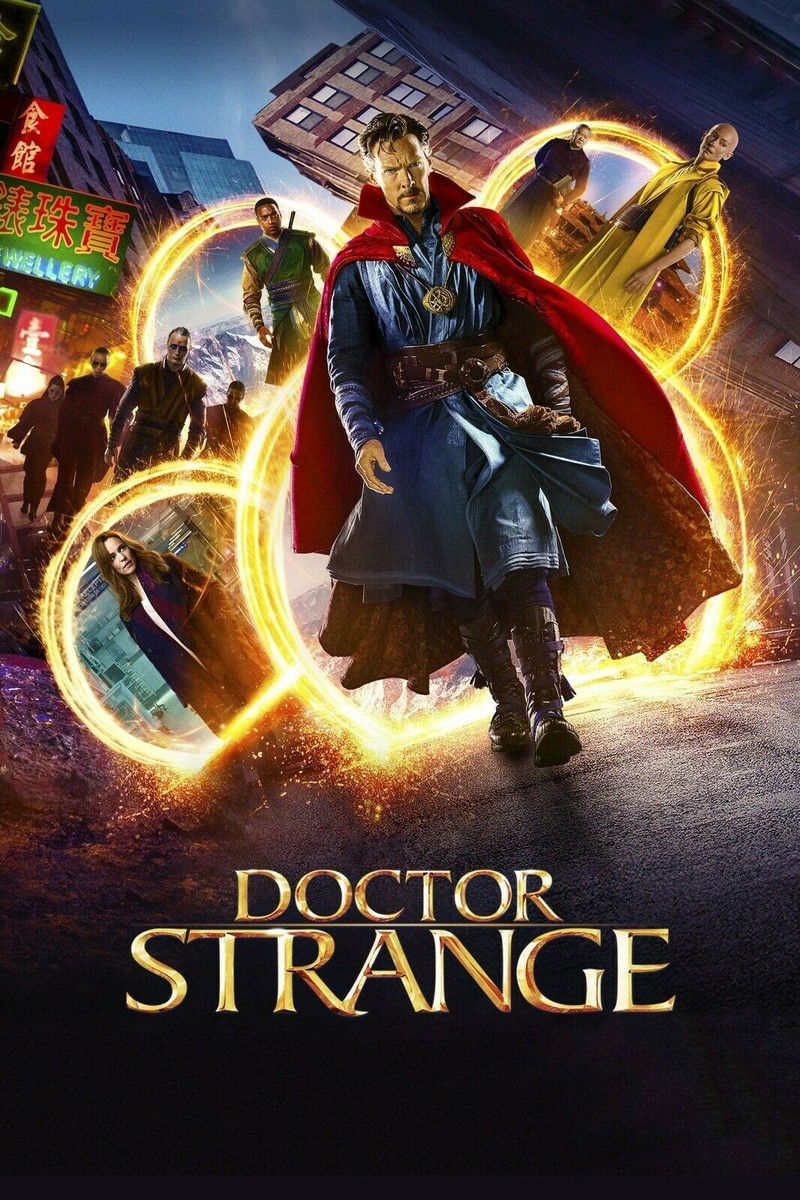
Sarah: It has always bothered me that at the end, I think, of the first Doctor Strange, there’s a character, I think it’s, I think he’s played by Benjamin Bratt, where the magic is removed from them, and it turns out they have, I think it was cerebral palsy, or they had some very physically limiting disability that the minute –
Lux: Yeah.
Sarah: – the magic was removed, they could not walk, they had no mobility, and, like, earlier through the movie they’d been like super macho, playing basketball or whatever. And I saw that, and I, I didn’t have a full vocabulary to describe what was wrong, but my first reaction was, Oh, that’s kind of gross! Do you know –
Lux: Yeah!
Sarah: – what scene I’m thinking about?
Lux: Oh, absolutely, yeah. I, I, I’m a big Marvel fan, so I know –
Sarah: Okay!
Lux: – exactly what you’re – [laughs] – what you’re talking about. That character, they made it so that he went to Kamar-Taj, which is their, like, little training center –
Sarah: Mm-hmm.
Lux: – for, for magic people, so that he could learn to walk again.
Sarah: Mm-hmm.
Lux: And that’s why he, he went there, and that’s why he went through all this, and that’s why he learned magic, and he talks to Stephen Strange and basically says, you know, The reason that I did this was just so that I could learn to walk again, and Stephen Strange is kind of like, Well, you could have all this power, you could do all these amazing things, and he’s like, Yeah, I don’t want that. I just want to, I just want to learn to walk. And part of me understands that.
Sarah: Sure!
Lux: I was like, you want the simple things. You just want, you know, a normal life the way you see it as normal, but at the same time, there was this kind of unfair, in my mind, option that they gave him of he can either be this all-powerful mystical being, or he can walk normally, and, and he made the choice to be a, a normal – whatever normal means – person, rather than infinite power. [Laughs] And, and I think I kind of, I felt like that was, that was a little bit of a cop-out.
Sarah: Yeah! For sure!
Lux: I mean, that whole movie, too, is, it all stems from the fact that Stephen Strange has a hand injury –
Sarah: Mm-hmm.
Lux: – and he’s a surgeon, and he wants to repair his hands, and ultimately he makes the opposite choice, and I think that’s kind of why they set up Benjamin Bratt’s character –
Sarah: To be the –
Lux: – to make that choice was so that they could show Stephen Strange making the opposite choice, where he decided, Okay, I don’t want to go back to being a surgeon. I want this new incredible power, and I want these new opportunities. But I think the fact that they showed someone making a different choice kind of emphasizes how big of a deal they think being disabled is.
Sarah: Yes! Exactly that!
Lux: You know, when you have the choice between unlimited power or, you know, having the body that everyone else has, to even kind of put that out there is a weird choice, and I think, I get that some people might want that, but I think putting that out there from a story standpoint says something about what you think of being disabled.
Sarah: Yes. It is a very specific and limiting portrayal of how disability is something to be avoided.
Lux: Mm-hmm. Yeah.
Sarah: Unless you have the option for unlimited world power and magic.
Lux: Well, and even then he still, he still is like, No, I’d still just rather not be disabled. That’s –
Sarah: Yeah.
Lux: – that’s my goal. [Laughs]
Sarah: And it’s like, if that’s your choice, great, but it’s, you are right: it says something about how that world perceives disability. Thank you for articulating my feeling of, Oh, that’s kind of gross.
Now, you also mentioned when you emailed me that for you, writing romance helped you rebuild your relationship with your body, which is something I think about a lot with my own. I can think about, you know, many reasons why that would be: romance is about intimacy and vulnerability, and how you feel about yourself is part of both of those concepts. How did ro-, writing romance help you?
Lux: So I was, like I said, very much at this low point –
Sarah: Yeah.
Lux: – health-wise, and I was also reading a lot of romance around the time I started writing this, and I just, I was really very aware of that huge crevasse of space between me and the typical romance heroine. And, you know, I would just read stuff about, like, it was simple things like, oh, they’re going out dancing and partying, and I’m just like, I cannot even fathom that? I can barely get out of my bed, and it just, like, it was hard for me to put myself in that place of, like, oh, I, I can be this, you know, lovable, sexy, interesting romance heroine, because I was not like the women I was reading about. I was not like the women I was seeing in these books, and, you know, they’re doing very impressive things, and they’re climbing mountains, and, and I’m like, okay, I’ve been in bed for eight hours today, and – [laughs] – you know, probably going to stay in bed for another three.
Sarah: Going to the bathroom is going to cost me many, many energy units.
Lux: Exactly, and, and it kind of, I was, I was feeling sad when I would read books. I was feeling discouraged because I was like, like, oh, this is what, this is what people think of as, you know, the ideal, as the main character –
Sarah: Mm-hmm.
Lux: – and I’m not at that point in my life. And I was, you know, I started getting sick in my early twenties. I had, like, just moved in with my boyfriend, who now is my husband, and I was thinking, like, I am falling apart. It was, you know, I, I was losing my hair. I was, you know, getting acne. I was having all kinds of, like, physical problems just, you know, with me aesthetically and also internal problems, you know, just not being able to do anything anymore and, you know, getting exhausted and sick and, you know, I would, we would go out to dinner, and I’d start eating, and I’d be so sick all of a sudden that I just had, I had to go home.
Sarah: Mm-hmm.
Lux: That kind of thing, you do not see that in books. You do not see someone, you know, halfway through dinner going like, Oh God, I, I feel like crap. This is terrible. I need to go. You know, you only see these lovely dates and, you know, beau-, beautiful, interesting interactions with two healthy people. I was just so aware of how different my experience was, and I, I would read this stuff and I’d feel like, gosh, like, how does anyone, how can anyone love me? How can, you know, my, my then-boyfriend love me? And he was phenomenal, and he was always like, I don’t care. Like, like, if you’re bedbound forever, I’m going to be hanging out with you in bed. It’s fine. You know, he was, he was very much, you know, the ideal example of how someone should be –
Sarah: Mm-hmm.
Lux: – with a disabled partner. He, he very much never showed me any signs of, like, you know, I’m not up for this. It was always like, Yeah, I’m in, and you know, in the early days of, like, me trying to get diagnosed and having no idea what was wrong with me, he proposed to me! He was –
Sarah: Awww! Yay!
Lux: He was like, I want to be with you forever, and I want to deal with your problems forever! [Laughs]
Sarah: We’ll be on this quest together.
Lux: Yeah!
Sarah: Worst quest ever; let’s do it together.
Lux: Yeah, like, he, he was all in from day one, and that was certainly empowering to me, but I, I just had this personal sense of, I’m not appealing in that way. You know, I don’t understand how he could have this love for me. And when I started writing my own stories, I, you know, it was a, it was a character, but it wasn’t me. It was this different person who was going through her own struggles, but similar struggles. And when I took myself out of it, I could see like, Oh yeah, here’s why he’s falling in love with her: ‘cause she’s really great, and she’s really cool and fun! And, you know, he doesn’t need her to go out dancing. That’s, you know, that’s not something he needs in his life, so they’re a good match! And when I, when I could remove myself from that and see it from this kind of bird’s-eye view of this is another person, this is not me, it was all of a sudden like, well, yeah, of course. Of course you can be lovable; of course you can be sexy; you know, of course you can be, you know, an interesting, capable heroine and all these things and have a chronic illness. Because it was not, it was depersonalized; it was no longer my internal struggle with all of my internal baggage. It was now someone else that I could see very clearly. And I was writing from both perspectives, so I was writing from his perspective, and I was literally putting myself in the shoes of someone who loved someone with chronic illness.
Sarah: Mm-hmm.
Lux: And, and it was so eye-opening, ‘cause it was like, Oh! I get it! Like –
Sarah: Of course!
Lux: – this is why my husband likes me! This is – [laughs] – like, I’m actually kind of cool! But it was this kind of slow process as I was writing it. The more I was going, like, like, she has value, she deserves love, it was then easy to kind of re-internalize that and put that back inside myself and go, You know what? So am I! You know, there, there is that level, and once I put this out there, I then all of a sudden got all this interaction with other people going like, Oh, you know, you know, I felt unlovable and this makes me feel lovable, and I’m going, Of course you’re lovable!
Sarah: Yes!
Lux: [Laughs]
Sarah: Other people are never – it’s me! Like, no, this is all great! You, you – me? No. Nonono. I’m the exception. I’m, I’m, yeah, I – I think a lot of people have that, everything else is great for everybody else. For me, though, misery is it.
Lux: Yeah, it’s, it really, it, it comes down to a lot of that internal baggage, and –
Sarah: Yes.
Lux: – you don’t have that for other people. You have kindness and, you know, grace that you give other people –
Sarah: Yeah.
Lux: – that you don’t usually give yourself. And so for me that writing journey and being able to kind of give this fictional person –
Sarah: Yeah.
Lux: – the kindness and grace that I couldn’t give myself, it ultimately came back to me, and I felt that in myself, and I was like, you know, having these conversations about, like, why these people were, you know, meaningful and important and why they were lovable and, you know, that their disabilities didn’t matter, and then it was like, oh! I guess that includes me too! [Laughs]
Sarah: Isn’t that just so annoying?
[Laughter]
Lux: Well, I, just the other day I saw, someone posted this collection of disabled cats, and it was like, one of the cats had a wheelchair, and one of the cats had three legs, and one of the cats had both eyes missing, and they were saying, Do you see them as a burden? If they’re not a burden, you’re not either. And I was like –
Sarah: Okay, just stab me in the heart next time! God!
[Laughter]
Lux: It totally got me, because I’m, I’m so, and I would never in a million years –
Sarah: Ever, no.
Lux: – say, say that a disabled animal was a burden. Never in a million years; I would never feel that way, and I, but I would put that on myself. And when I saw that I was just like, well, damn! They’re right! [Laughs] Like – and if you can see how someone can love, you know, an animal who, that has a disability or, or, you know, a fictional character that has a disability, then you do kind of slowly internalize that sense of, you know what? They can love me too.
Sarah: I came out here to have a nice time, and I didn’t deserve you call it out like this. Yeah. This reminds me so much, when I was growing up, the really popular teen series was Sweet Valley High. Have you ever seen these books? They were, like –
Lux: Yes.
Sarah: – little, teeny tiny. There was like one new –
Lux: I had a stack of them that my grandma gave me. She was like, Here, they’re, they’re…
Sarah: These are for teens! Yeah. I have very fond memories of going to B. Dalton and Waldenbooks in the mall and seeing what was the new one, and they were like little soap opera installments for teens. You know, there’s a direct line, I think, between Sweet Valley High series and, like, you know, teen soap operas on the CW.
Lux: Yeah.
Sarah: But the description of the twins in Sweet Valley High almost always included, always, a reference to them being “a perfect size six.” When you read that over and over every goddamn month when you are a young person, that is some heinous, heinous baggage to, to assign to yourself. And my God, does it take a long time to unload it!
Lux: Yeah.
Sarah: But you’re right, the, the experience of putting yourself in someone else’s shoes, which I have always said, if somebody asks me, like, you know, Why does romance get such a bad rap? Why do people crap on it all the time? Well, romance traffics in empathy. Romance wants you to feel. Romance is trying to get you to have feelings, and that is already vulnerable and intimidating.
Actually, Chuck Tingle said this in an interview, and I think it’s so smart, that the three most maligned genres are the ones that inspire a physical reaction in your body that you can’t control. Humor makes you laugh, horror makes you scared, and erotica makes you aroused. Now, obviously not all romance is erotica, but some romance is erotic, and some romance is trying to invoke physical arousal. And the reason why these genres are put down so much, in Dr. Tingle’s opinion, is because they cause this reaction in your body.
So when you’re negotiating not only having a book that wants you to feel, but also wants you to feel something for another character that you can’t give yourself? Romance is so fucking powerful. I just love it. It’s my fave. Which helps, ‘cause I write about it a lot.
Lux: Same! [Laughs]
Sarah: I always ask this question: what books are you reading right now that you would like to tell people about?
Lux: I think I just, I just finished last night, so currently I’m, I’m fresh, so I’m going to go back to my TBR. [Laughs] But I just finished reading Knot My Type by Evie Mitchell? Which I, I don’t always, like, I don’t exclusively read disabled heroines, but this does happen to have a disabled heroine, and it’s basically this story about this podcaster who, she’s also a sexologist, and she is, she uses a wheelchair, and she talks to this man to basically interview him for her podcast on accessible bondage. And –
Sarah: Oh, that’s cool!
Lux: It’s, it’s such a great premise, and I really enjoyed it. And basically it’s this, this guy who teaches these bondage classes, who basically talks her through, you know, the bondage stuff, and she’s like, Okay, can you show me how to do, like, some accessible ones with my wheelchair and stuff like that? And he’s, and he’s, you know, doing that with her, but it’s very erotic ‘cause they have a lot of, you know, attraction towards each other, and they develop this relationship, and it was just, it was such a great premise, and it’s…
Sarah: And they’re both trying to be professional! Like, they’re both trying to be professional; they’re like, Wow, I’ve got hornypants, and she’s tying me up! Oh shit! [Laughs]
Lux: Yeah! And it was just, it was so great and so much fun, and it’s like, it’s, it’s a short read. It’s, you know, it’s kind of, it’s success insta-love – I don’t know if it’s insta-love, but it’s like, it’s close. They have, like, this kind of immediate attraction and interest and it, it was just this fun, delightful read, and I – she’s got a whole series called the All Access series, which is varying disabilities – each character has a different disability – and I haven’t read any of the other ones, but I read that one, and it’s so good, so much fun, so I’m definitely going to read the rest.
And then the other book I just read that I think is really, really good is, it’s called The Bride Contract by Melissa Emerald. It’s an alien romance, and she does some of the coolest alien worlds I’ve ever encountered. She’s really just absolutely fascinating as an author. She comes up with these ideas that I’ve just never heard of anywhere else, and she, she invents this, you know, language and culture and everything for the, for the alien creatures that she creates, and it’s just like, it was so good, and I, I really loved her previous series, which was the Alien Protector series?
Sarah: Mm-hmm.
Lux: And this is an offshoot of that. It’s, and she said, like, Oh, I’m going to step away from that series, and I was like, Oh no! And then she did this, and I was like, Oh, nope, this is my new favorite.
Sarah: This is fine.
Lux: [Laughs]
Sarah: Where can people find you, if you wish to be found? Some people don’t wish to be found.
Lux: No, they can find me at LuxRavenWrites on TikTok and Instagram, and then just LuxRaven on Wattpad, and then there’s also my website, which is luxravenwrites.com!
[outro]
Sarah: And that brings us to the end of this week’s episode. Thank you so much to Lux for reaching out to share their story with me? I did not expect to have so much in common, and that was really fun!
I will also have links to the books we talked about and of course Siren’s Mark and Siren’s Fall, which you can find now wherever books are sold.
My apologies that there was not an episode last week. Basically, I got my dates mixed up and thought that I was going to be home from vacation before the date that the episode dropped, but I actually got home after because, like I said, the numeric progress of time baffles me and, well, I screwed up. So sorry about that.
As always, I end with a terrible joke, and today we have a very special treat – at least it’s going to be a treat for me, because I’m terrible. Adam is here, because, well, he does not have anything to do right now ‘cause the government is closed, so I’m going to torture him with bad jokes, and you get to enjoy it. Are you ready? Okay.
Did you hear about the person who went to a Halloween party dressed as a car key?
Adam Wendell: No.
Sarah: Okay.
Adam: No, I did not.
Sarah: Well, the problem is they got thrown out because they looked like they were going to start something.
Adam: Ba-dump-tish!
Sarah: I don’t even get a groan? I was expecting an ohhh.
Adam: Ehhh!
Sarah: See, that was the groan I was looking for. Thank you very much for your service to this podcast!
Adam: Welcome!
Sarah: On behalf of everyone here, we wish you the very best of reading. Have a wonderful weekend, and we will see you back here next week! And in the words of my favorite retired podcast Friendshipping, thank you for listening!
Adam: You’re welcome for talking!
[end of music]
This podcast transcript was handcrafted with meticulous skill by Garlic Knitter. Many thanks.
Remember to subscribe to our podcast feed, find us on Apple Podcasts or wherever you listen to your favorite shows.


I hope you talk to Celia Lake at some point, with her collection of various romances and protagonists, with disability, POC, neurodivergent, LGBTQ characters.
This was a lovely episode and a topic I was very happy to see, so thank you!
The book that always makes me cry in the best way, as a person with chronic conditions, is Cat Sebastian’s Two Rogues Make a Right. A lot of her books feature disabled protagonists that resonate with my experiences.
That was a thought provoking and enjoyable episode. Thank you, Sarah and Lux, for sharing your conversation. And thank you,garlicknitter, for the transcript.